
Last updated November 24, 2026
 Sweep & inspection
 Caps & crowns
 Flue relining
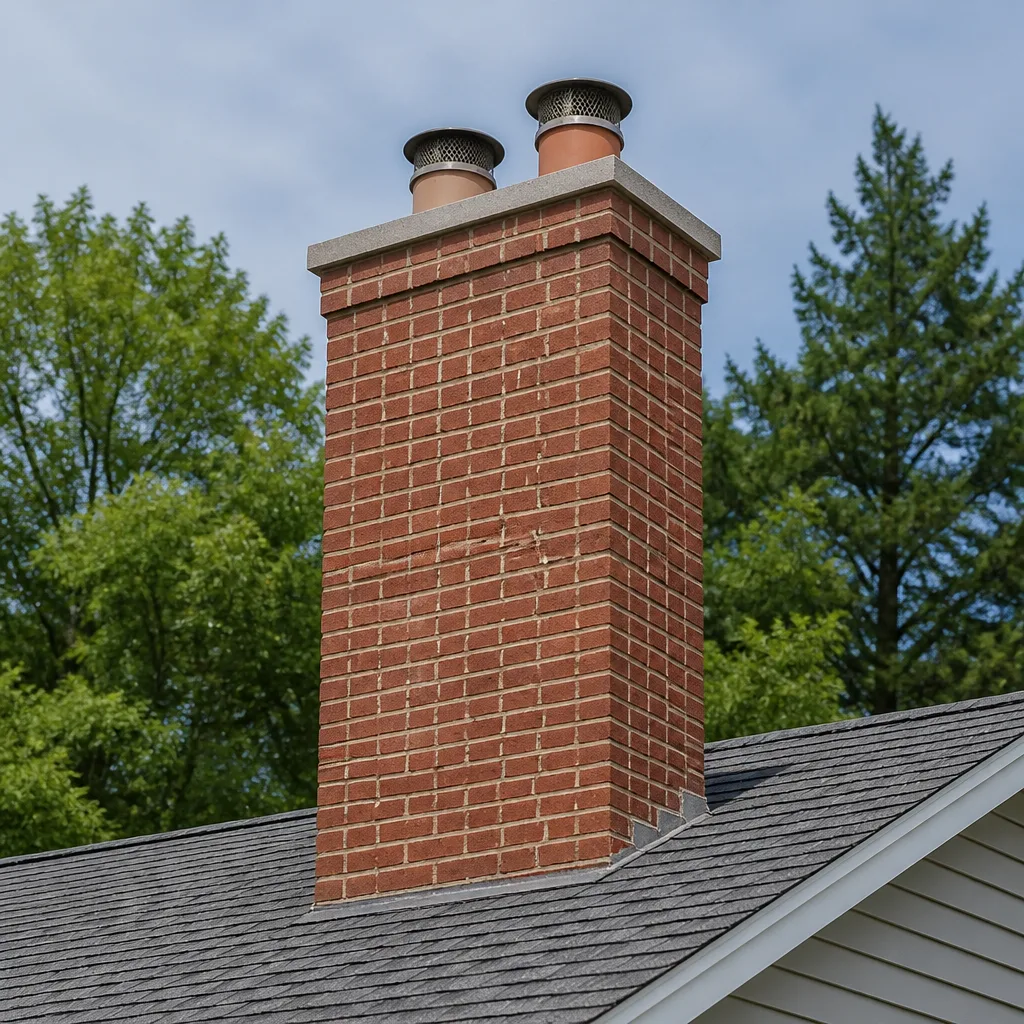 Masonry repair
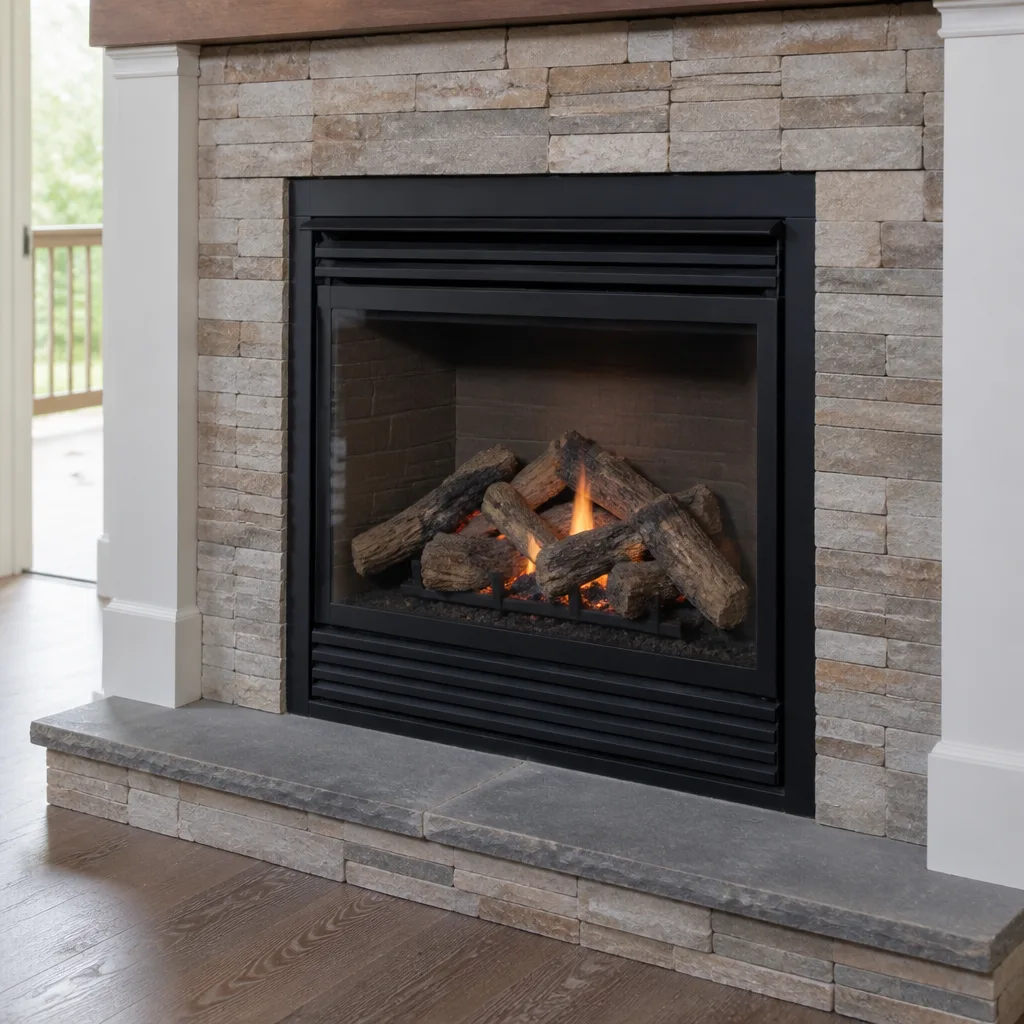 Gas fireplace service
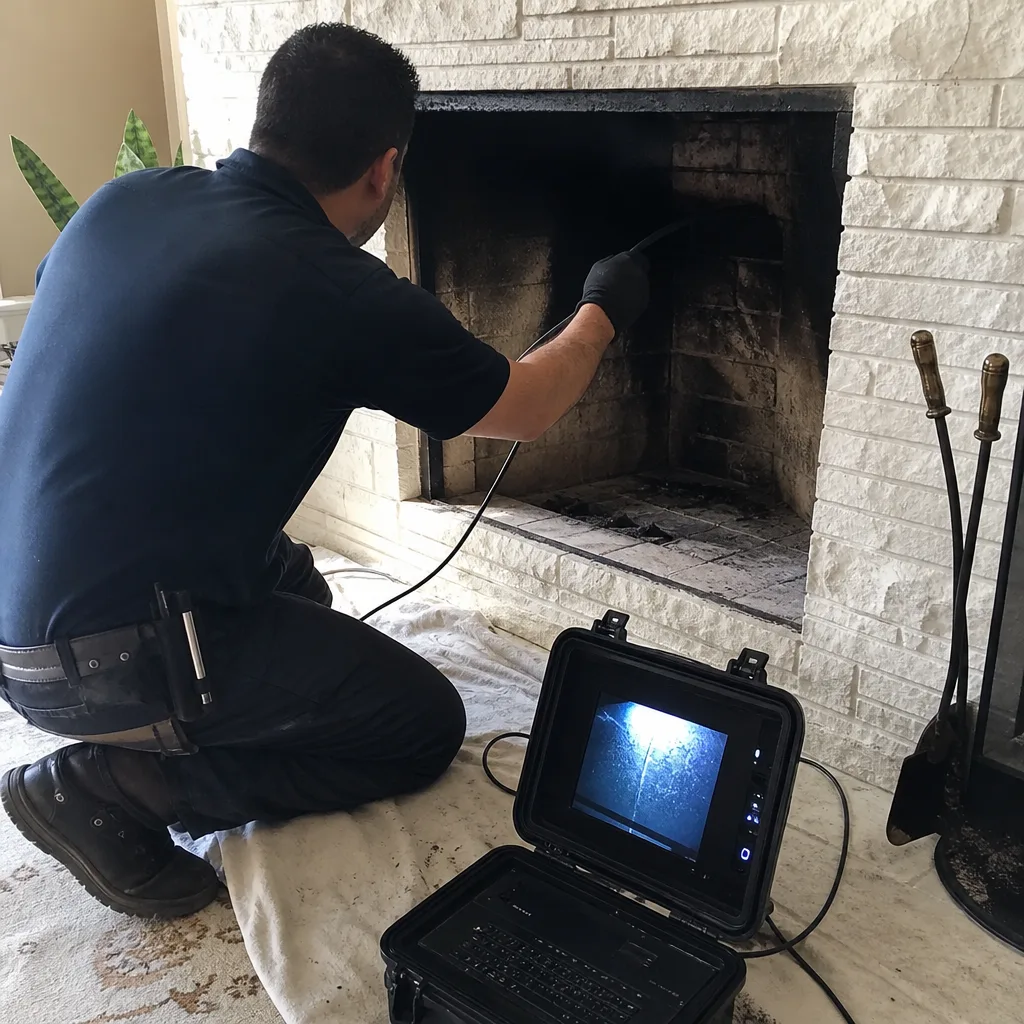
Level 1 sweep and inspection to the NFPA 211 annual standard - flue, crown, cap, and flashing checked and photographed
Chimney sweep logs do not sweep chimneys. They loosen some creosote - which then falls where a brush and vacuum still have to collect it.
DIY vs Professional Chimney Cleaning: The Huntington Beach Homeowner’s Decision Guide
You can physically clean a chimney flue yourself for about $80 in brushes and rods. What you can’t do with that equipment is tell whether the tile liner has hairline cracks, whether the smoke chamber has bypasses, or whether the creosote you’re brushing off is Stage 1 or Stage 2 – and those distinctions decide whether your fireplace is safe to use at all. Most homeowners shop for chimney services as if cleaning is the whole product. It’s the visible portion. The part that protects your house is the assessment that comes with it. This guide draws the line honestly: what you can legitimately handle in a Huntington Beach home, what you can’t, and where the real risk sits.
Quick Answer
Professional chimney cleaning is worth it because the sweep is the smallest part of the visit. A proper service combines mechanical cleaning with a camera inspection, structural assessment, and a written diagnosis of the flue, smoke chamber, crown, and cap – work that requires rotary equipment and imaging tools no homeowner buys for a once-a-year job. DIY ash removal and exterior checks are reasonable; DIY flue cleaning without inspection is where people get into trouble in Huntington Beach.
Styles & brands we work with
- Sweep & inspection
- Caps & crowns
- Flue relining
- Masonry repair
- Gas fireplace service
Table of Contents
- What DIY Chimney Work Actually Covers
- What Requires Equipment You Can’t Buy at a Hardware Store
- Creosote Stages and Why They Matter
- The 80/20 Problem: Cleaning Is the Easy Part
- Insurance and Liability: What Happens After a DIY-Only Service
- How Huntington Beach Conditions Change the Risk Math
- The Hybrid Approach: What You Can Do Between Visits
- What a Professional Visit Should Include
What DIY Chimney Work Actually Covers
There is a real, honest list of chimney tasks a homeowner can do without specialized equipment, and we’d rather you know it than pretend everything requires a professional. These jobs are safe, useful, and they extend the life of the system when done consistently.
Firebox ash removal
Empty the firebox when the ash layer gets deeper than about an inch. A shallow ash bed actually helps insulate the fire, but once it builds up it restricts airflow and can crowd the grate. Scoop into a metal container with a tight lid and set it outside on a non-combustible surface for a couple of days before disposing of it. Embers stay hot far longer than people expect.
Exterior visual checks
Walk the outside of the chimney a few times a year and look for the obvious. Cracked crown, missing mortar joints, rust streaks on the cap, black staining near the top, or vegetation creeping into the flue. You don’t need a ladder or training to notice these. You do need to look on purpose.
Chimney cap clearing
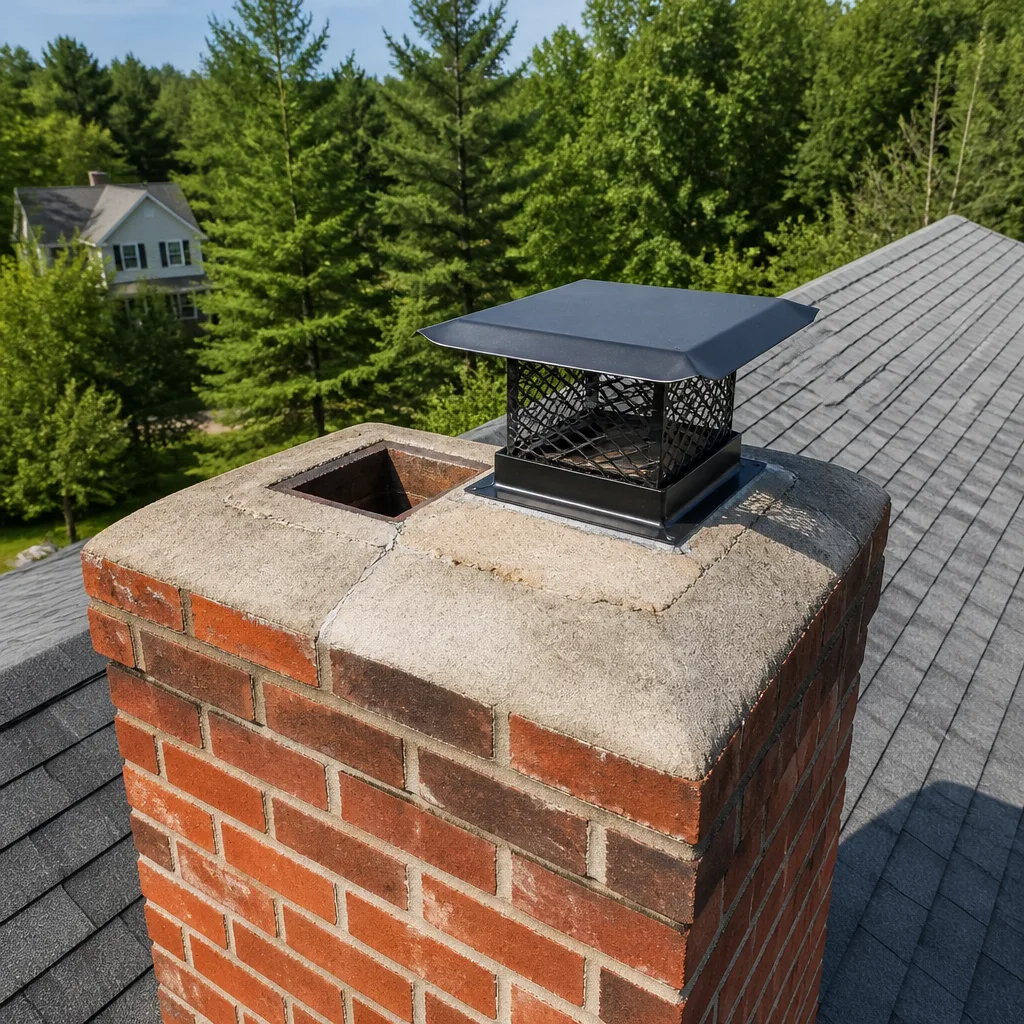
Leaves, twigs, and the occasional bird nest can block the cap screen. From the ground or a safe vantage point, look at the cap opening and clear visible debris from the mesh with a long pole if you can do it safely. Never climb onto the roof in wet or windy conditions to clear a cap.
Damper operation check
Open and close the damper before every fire season. It should move freely and seat fully closed. A damper that sticks open wastes heat; one that won’t open at all means smoke coming into the room.
What this list is not
None of these tasks touch the flue interior. The firebox, exterior, cap, and damper are the visible shell of the system. The flue – the pipe that carries smoke and creosote – is where the actual risk lives, and clearing that requires equipment and a view of the inside that a homeowner can’t get from a flashlight up the chimney. For anything beyond the shell, book a chimney sweep who can also inspect.
What Requires Equipment You Can’t Buy at a Hardware Store
The gap between a homeowner’s chimney toolkit and a professional’s is not a matter of expense, it’s a matter of purpose. The tools below exist because brushing a flue blind tells you almost nothing about its condition.
Rotary cleaning systems
Professional flue cleaning uses a rotary head attached to flexible rods driven by a drill, with a HEPA vacuum running the whole time to contain dust. Hand brushes on a pole are the consumer version. Rotary systems scrape glazed creosote off the flue walls more effectively and can be sized precisely to the flue – which matters more than homeowners realize, because an undersized brush leaves buildup behind and an oversized one can damage tile.
Chimney cameras
A chimney inspection camera sends a real-time video feed of the flue interior to a screen. Cracks in the tile liner, gaps in mortar joints, offset tile, and voids invisible from the firebox all show up on that feed. This is the single tool that separates a cleaning from an inspection.
Draft gauges and combustion analyzers
Draft measurement tells you whether the chimney is pulling correctly for the appliance it serves. A masonry chimney sized for a wood fireplace can be badly matched to a modern insert or gas appliance, and that mismatch creates smoke issues, poor burns, and hazardous backdraft. You cannot diagnose that with a match or a flashlight.
Rod and head accessories for odd flues
Chimney geometry varies. Damper areas, smoke chambers, and offsets need specific heads and flexible rods. A professional carries the assortment. A homeowner buying one set is guessing.
Containment equipment
Sweeping loosens a lot of fine soot. Professional setups run HEPA filtration at the firebox and seal the openings. Without that, the dust you’re dislodging ends up in the living room, the upholstery, and the HVAC system. Ask any homeowner who’s tried a brush-and-shop-vac approach what that looked like afterward.
Creosote Stages and Why They Matter
Creosote is the residue that condenses on the inside of the flue as smoke cools. It’s also the fuel that feeds a chimney fire. The stage of creosote buildup determines how it has to be removed and how urgent the work is.
- Stage 1 – Soot and flaky soot: Light, dusty, easily brushed off. Sweeping removes it. This is the state a properly maintained flue stays in with regular annual cleaning.
- Stage 2 – Crusty, hardened creosote: Brushing alone won’t remove it. Rotary cleaning or chemical treatment is required. This stage is common in flues that burn green wood or go long stretches between sweeps, and it’s a real fire hazard.
- Stage 3 – Glazed creosote: Hard, shiny, tar-like. It’s the most flammable stage and the hardest to remove. Brushing does almost nothing. Removal needs rotary equipment and often chemical modifiers before the glaze can be scraped down to bare flue wall.
You cannot determine which stage you’re looking at from the firebox. You can’t see it from the roof either. The determination is made with a camera and a rod, and the creosote stage directly determines the cleaning method. This is why “cleaning” as a job is inseparable from “diagnosis” as a job – the sweep who shows up without the ability to identify the stage can’t actually tell you what to do next. If you want to know whether your flue is at Stage 1 or Stage 2, that’s a professional answer, and Huntington Beach homes we visit tend toward the higher stage in fireplaces used regularly through the cooler months.
The 80/20 Problem: Cleaning Is the Easy Part
The DIY chimney debate usually centers on the physically demanding parts – climbing, brushing, containing soot. That’s the wrong frame. Cleaning accounts for roughly 20% of what a professional service delivers. The other 80% is assessment, and assessment is what actually protects the house.
Structural evaluation
A camera inspection reveals whether the tile liner is intact, whether the crown is shedding water into the masonry, whether the smoke chamber is correctly parged, and whether the cap is doing its job. These findings determine whether your next fire is safe. A homeowner can run a brush up a flue and feel satisfied. The professional looking at the same flue on camera may find exactly the reason to stop using it until repairs are made.
Diagnosis capacity
We’ve seen plenty of chimneys that failed not because the homeowner neglected sweeping, but because the homeowner swept and never knew there was a problem. The swept, clean chimney with a cracked liner is more dangerous than a dirty one with good tile – not because cleaning is bad, but because the visible result of “clean” creates false reassurance.
Why pair inspection with repair capacity
There’s a real inefficiency in the market when the sweep who finds a problem can’t fix it. You get a report and a referral, and then you’re re-bidding your own chimney. Chimney Sweep Huntington Beach handles chimney cap & crown work, flue repair, and relining through ceramic resurfacing with HeatShield and liner installs using DuraFlex systems – so findings from an inspection turn into a quoted repair the same visit. That is the practical answer to the DIY question: the parts a homeowner can replicate are the smallest ones, and the parts that matter most are the parts that translate directly into fixing what’s found.
Insurance and Liability: What Happens After a DIY-Only Service
This is the section most homeowners skip, and it’s the one that changes the math on DIY more than any safety argument. If a chimney fire happens after a professional sweep with a written inspection report, the documentation trail is clean. If it happens after years of homeowner-only cleaning, the picture is different.
The documentation problem
California homeowner’s insurance policies typically cover fire damage caused by a chimney fire if the homeowner can show reasonable maintenance. A dated inspection report from a professional is straightforward evidence of that. A homeowner’s own memory of “I cleaned it last fall” is not. When a claim adjuster asks what condition the flue was in, a written report answers the question. Brush marks in the firebox don’t.
What the claim looks like without one
Insurance carriers don’t routinely deny chimney fire claims, but they do investigate them. Without any record of professional inspection or cleaning, the burden shifts to the homeowner to prove the chimney was reasonably maintained. If the fire marshal or adjuster finds evidence of Stage 2 or Stage 3 creosote that should have been detected and removed, the carrier may treat that as maintenance failure and reduce or contest coverage. The question isn’t whether you meant well. It’s whether the system was actually checked by someone qualified to check it.
The honest version
Most homeowners have never had a chimney fire and never will. We’re not going to tell you the sky is falling. But the specific, real risk of a DIY-only approach is that the things you can’t see – the cracked tile, the undetected glaze – are exactly the things that turn a normal fire into a claim. A paid professional sweep and inspection is a modest annual cost. The alternative is having the conversation with your adjuster without any documentation.
How Huntington Beach Conditions Change the Risk Math
Chimneys in Huntington Beach live in conditions that don’t exist inland, and those conditions shift the DIY-vs-professional calculus in a specific direction. It’s not about a dramatic local hazard. It’s about the slow, invisible wear that a homeowner’s visual checkup misses.
Moisture in a marine environment
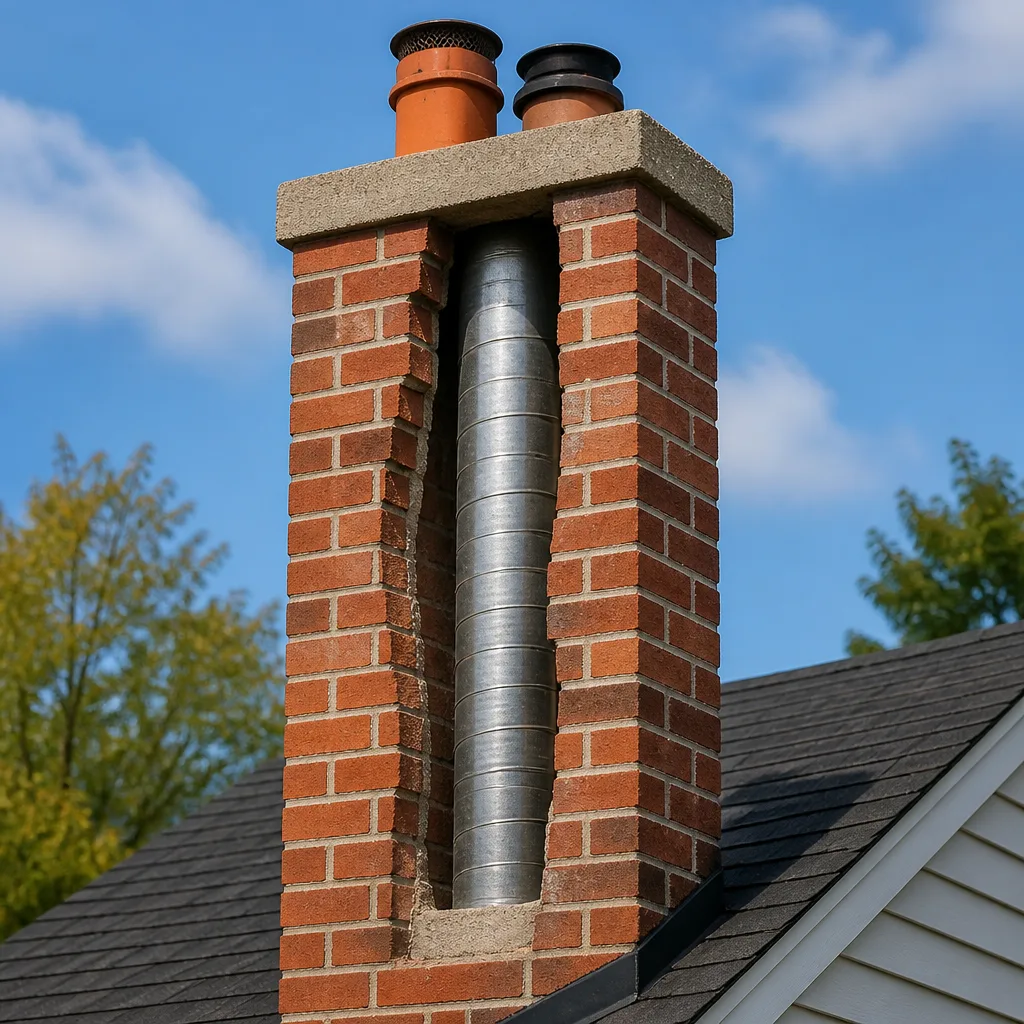
Huntington Beach sits in a mild, humid zone where masonry stays a little damp for more of the year than it would a few miles inland. Masonry that holds moisture has a shorter lifespan, and the crown and mortar are the first things to fail. A homeowner can see a visibly cracked crown. The microscopic spalling and hairline mortar loss that precede it won’t show from the ground, and those are what lead to water getting into the flue structure.
Humidity and creosote behavior
Creosote deposition is affected by temperature and moisture in the flue. Cooler, damper Northwest-facing chimneys and those in the shadowed sides of Huntington Beach homes tend to run lower flue temperatures, which encourages creosote condensation rather than clean burn-off. That pushes flues toward Stage 2 faster than the homeowner expects. A sweep who verifies the creosote stage each visit is catching a problem earlier in a climate where it compounds quietly.
Salt and metal components
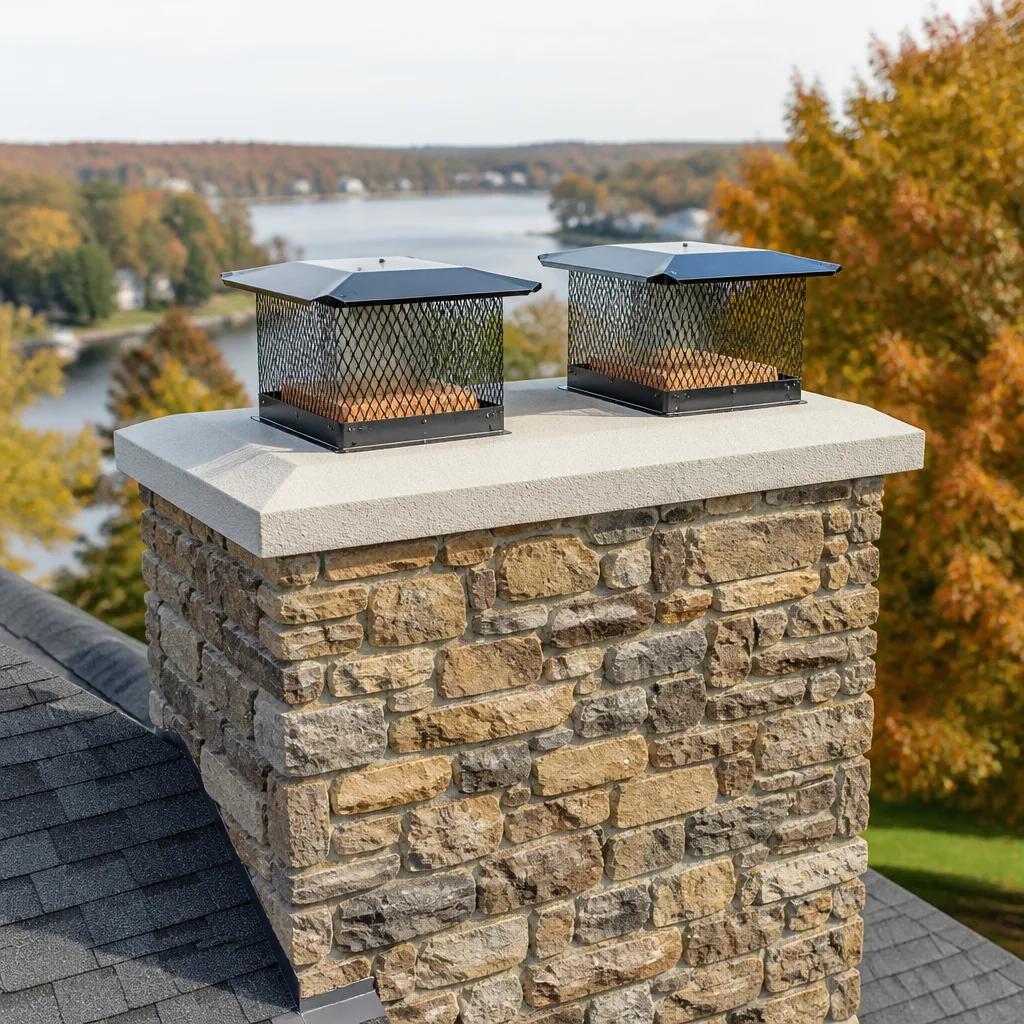
Chimney caps and any exposed metal in the flue assembly take the brunt of the marine air. A cap that looks fine from the ground can have corroded fasteners and a compromised screen up close. When we install caps, we use Gelco and Famco components chosen specifically for durability in this environment. That’s not a generic upgrade; it’s a response to what actually fails on Huntington Beach chimneys.
The neighboring cities
Some Huntington Beach homeowners have second properties or family homes in nearby communities with different exposure, and the same advice applies. For reference, the same services described here are available in Huntington Beach and the surrounding area, and the inspection-first approach doesn’t change from city to city.
The Hybrid Approach: What You Can Do Between Visits
The honest answer to the DIY question isn’t “never touch your chimney.” It’s “handle the shell, leave the flue to someone with a camera.” Here’s a practical routine – a numbered list you can actually follow – that keeps the system in good shape between annual professional visits without putting you on a ladder with a brush.
- Empty ash at the right interval. Do it after the firebox cools, using a metal container, and dispose of the ash outside.
- Burn dry, seasoned wood. Wood with high moisture content produces more creosote and lower flue temperatures. A homeowner can control this more than any other variable.
- Don’t burn paper or trash in the fireplace. Loose paper burns hot and short, sending embers up the flue. Cardboard and wrapping paper create sparks and unpredictable heat.
- Check the damper before every fire. Confirm it opens fully and closes fully. If it sticks, note it for the next professional visit.
- Do a monthly exterior visual walk. Look at the crown, mortar joints, cap screen, and any visible staining. Note anything new.
- Watch for smoke backdraft or sluggish draft. Smoke drifting into the room when you open the damper is a signal to get a professional inspection, not a signal to keep going and hope it clears.
- Keep the cap clear of visible debris. From a safe vantage point, check the mesh opening and clear what you can without ever getting on a wet or windy roof.
- Schedule the annual sweep before burning season. Book it early in the fall – the inspection that accompanies the sweep is what catches the problems your DIY checks can’t see.
That routine is genuinely useful. It is also not a substitute for the annual inspection. The hybrid model works because the homeowner handles the low-risk maintenance and the professional handles the diagnostic work that actually keeps the system safe.
What a Professional Visit Should Include
When you book a professional chimney cleaning, you should know exactly what a complete visit delivers so you can compare quotes fairly. There’s a wide range of “chimney sweep” services in the market, and some are one-task cleaning calls. A full-lifecycle visit looks different.
Typical inclusions
- Mechanical cleaning with containment: Rotary cleaning sized to the flue, with HEPA vacuum running so soot stays out of the room.
- Camera inspection of the flue: Video feed of the full flue run, checking tile integrity, mortar joints, and smoke chamber parging.
- Crown and cap assessment: Looking at the crown condition, cap integrity, and moisture intrusion points. If a cap needs replacing, we install Gelco or Famco caps as part of the same visit.
- Firebox and damper check: Condition of the firebox walls, damper operation, and any signs of cracking or distortion.
- Creosote stage identification: A specific answer on stage 1, 2, or 3, with the resulting cleaning method and any recommendation about future burning.
- Written report with findings: The inspection report should translate directly into a repair quote when work is needed. If the flue needs relining, we handle it with HeatShield ceramic resurfacing or DuraFlex liner systems – no referral to another company.
What “no problem found” should sound like
A good inspection isn’t a sales pitch. Most home systems come back clean, and the report should say so. If the answer is “everything’s fine, see you next year,” that’s the right answer. The report is a document about your system, not a shopping list. When a technician with up to 11 years of experience tells you the flue is in good shape, the useful response is to believe them and book the next visit. Olympia Chimney and Copperfield components show up in our work when a specific repair requires a specific material – they’re not upsells on a clean inspection.
What the visit is not
We handle chimney and fireplace work only. We don’t do HVAC, roofing, or general contracting, and if a visit reveals something outside that scope, we’ll tell you so clearly. The full system – firebox to cap – that’s our scope: sweeping, inspection, cap and crown, fireplace repair, and structural chimney repair including relining.
Common Mistakes to Avoid
- Treating the sweep as the whole visit. Cleaning without a camera inspection is a visual box-check that misses the cracked liner, the offset tile, and the parging failure. If the service doesn’t include inspection, it doesn’t include the part that matters.
- Buying a brush and assuming you’ve inspected. The clean flue with a failed liner is more dangerous than a dirty one with good tile, because the owner sees the clean firebox and stops worrying. Cleaning and inspecting are two different jobs.
- Burning unseasoned wood to save a few dollars. In Huntington Beach’s damp climate, poor-drying wood encourages creosote condensation in the flue. Some fires cost more than the wood saves.
- Ignoring the cap because it looks fine from the driveway. Beachside caps fail on the fasteners and screen before the visible housing shows a problem. If a cap is more than a few years old, have it checked up close during the inspection.
- Skipping the inspection year after a “clean sweep.” Some homeowners get so reassured by the word “clean” that they drop the inspection from the next visit. The inspection is the reason the visit exists.
- Treating a home inspector’s chimney note as final. A home inspector looks at much of the chimney the same way a homeowner does. A chimney specialist’s camera inspection tells you the actual condition and what work, if any, needs doing.
- Going on memory for insurance documentation. If there’s ever a chimney fire, the written inspection report from a professional sweep is your record of reasonable maintenance. Without one, you’re proving your own diligence to an adjuster.
See the difference
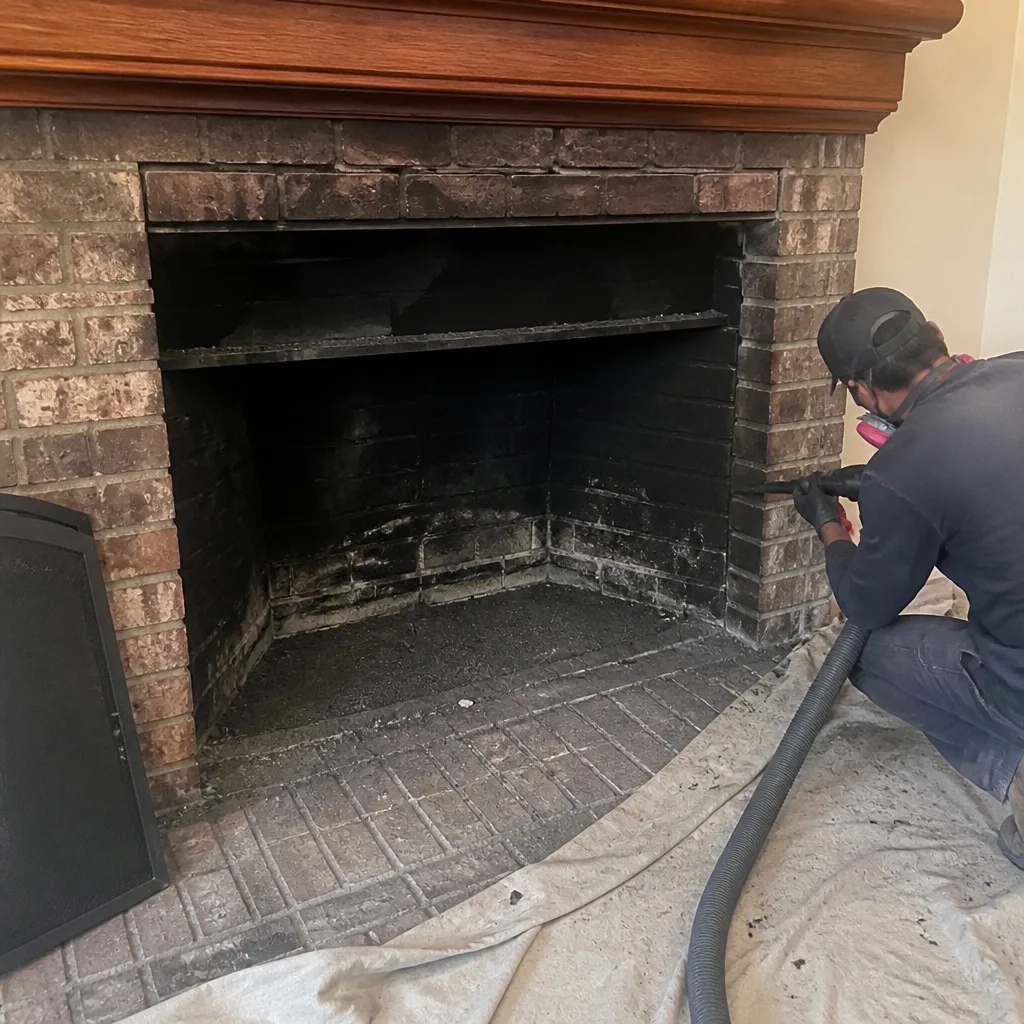 Before
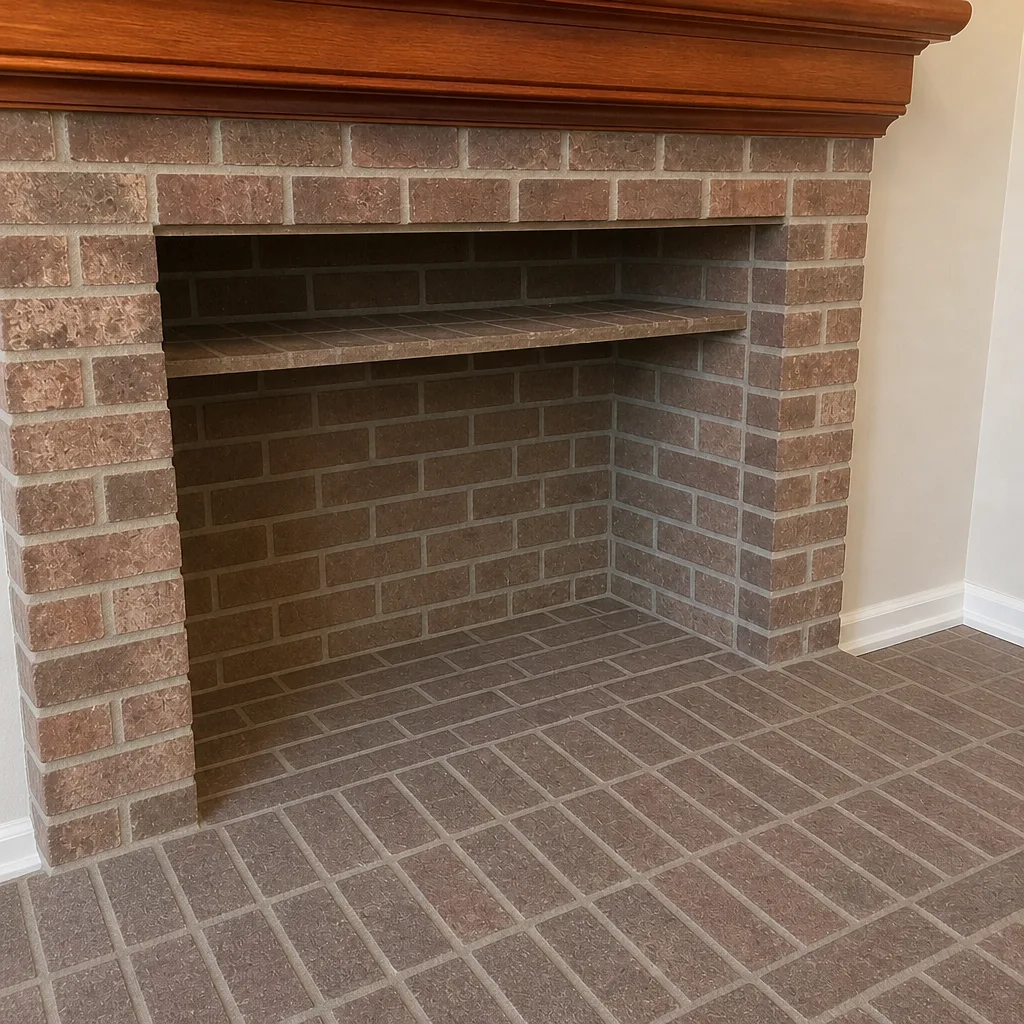 After
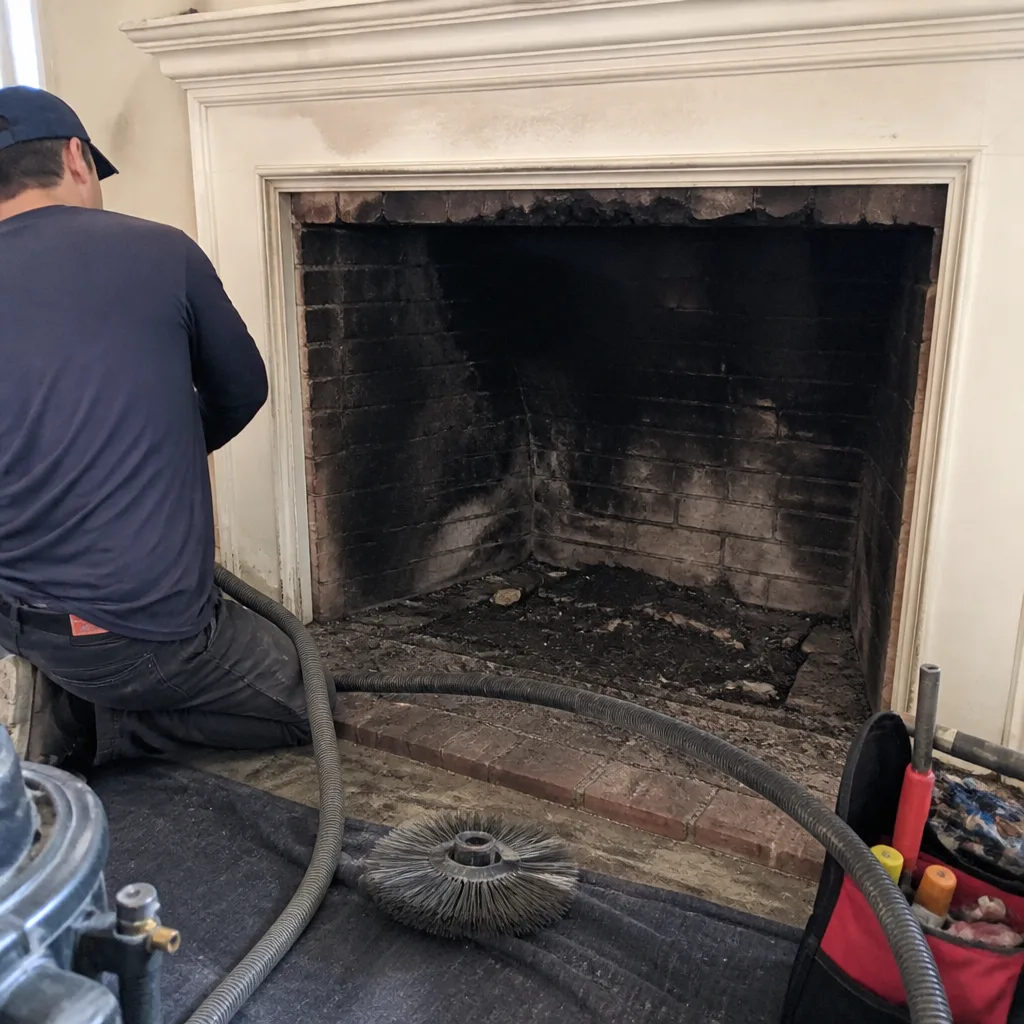 Before
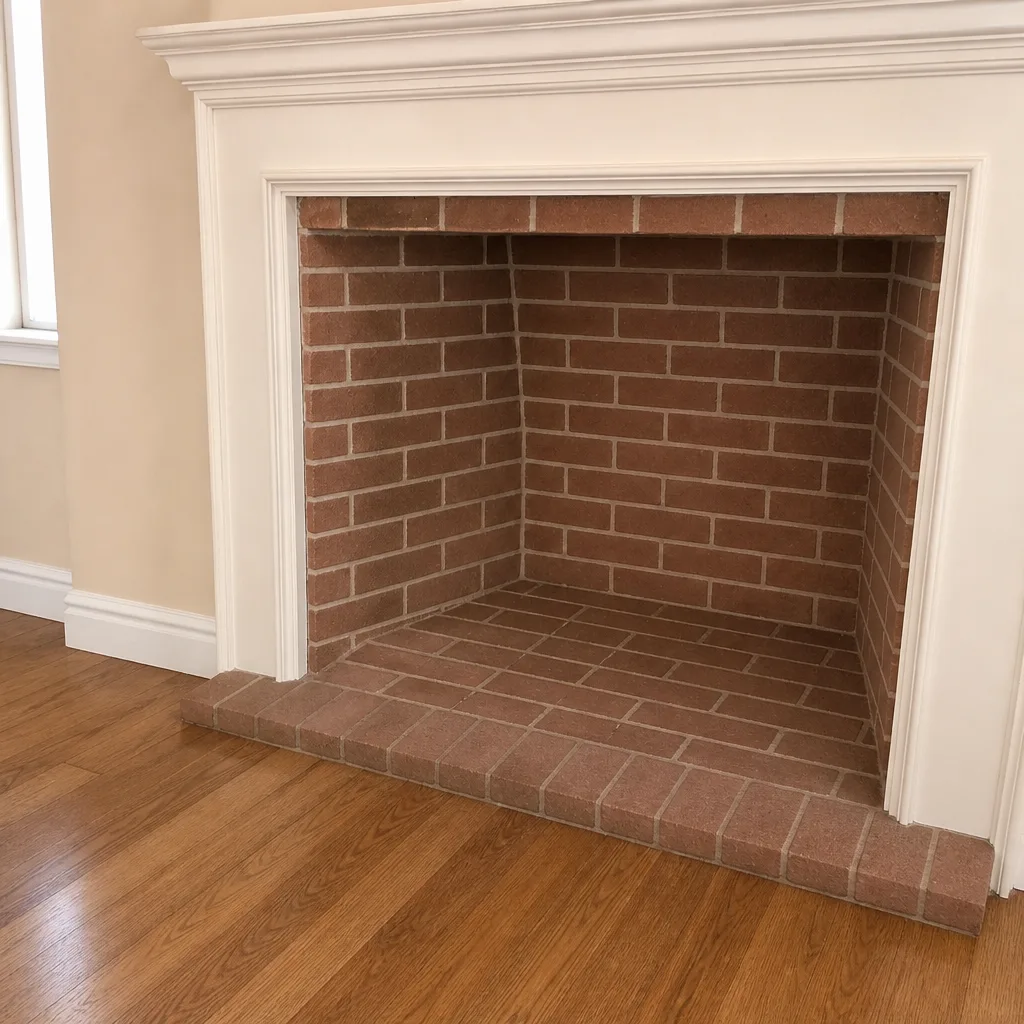 After
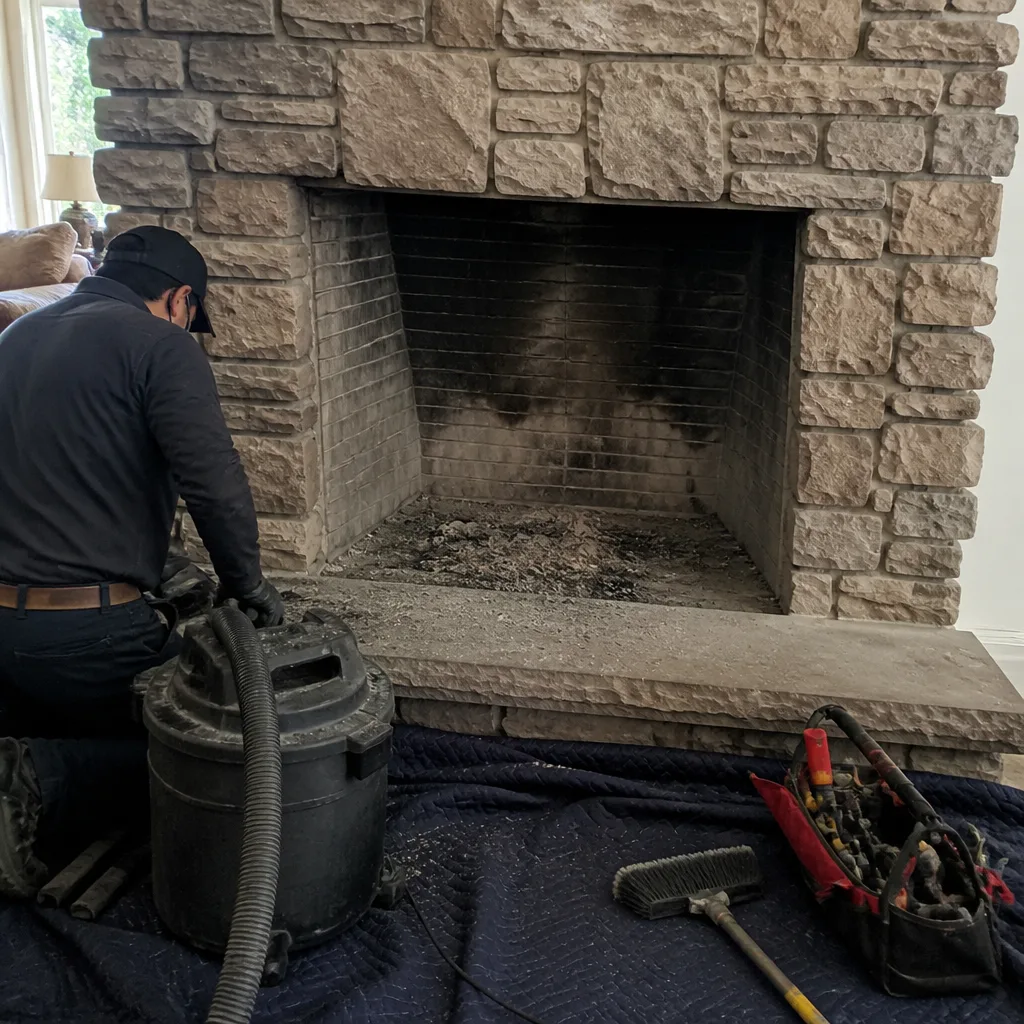 Before
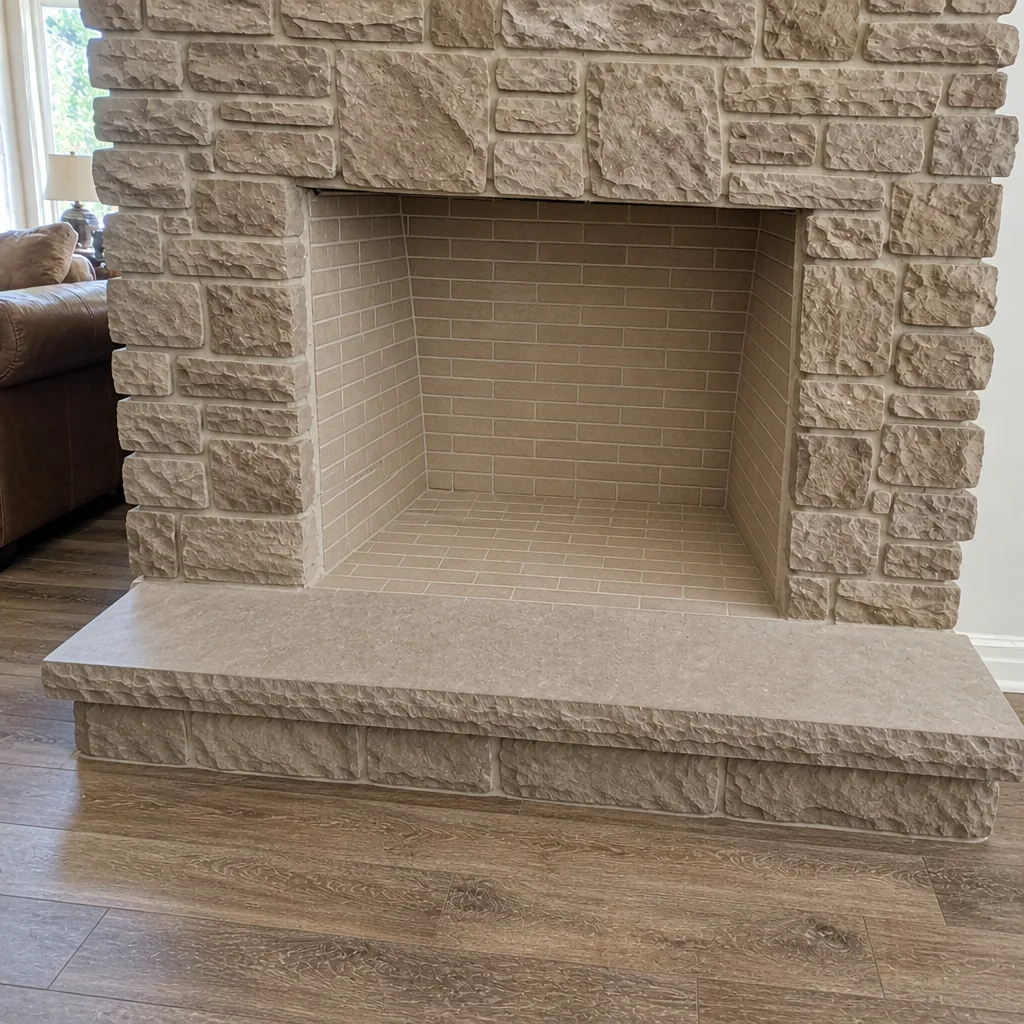 After
When to Call a Professional
Some scenarios are clear signals to book a professional visit rather than reaching for the brush. If your previous home inspector or sweep flagged the flue, if you see smoke backdraft, if any exterior staining appears on the chimney, or if you’ve moved into a Huntington Beach home where the fireplace’s history is unknown, book an inspection. If you smell a strong, pungent odor in warm weather with no fire burning, that’s often creosote or animal activity in the flue – worth a professional look. And if it’s been more than a year since the last professional cleaning, the sequence is simple: inspect first, then clean and repair as needed, then document.
For a certified chimney inspection or chimney sweep, Chimney Sweep Huntington Beach offers free estimates in Huntington Beach – call (855) 658-5323. We answer 24/7. Fast dispatch from 7am to 7pm, Sunday through Friday.
Frequently Asked Questions
You can safely handle firebox ash removal, exterior visual checks, and cap clearing from a safe vantage point. Cleaning the flue itself without a camera inspection is not safe in the sense that matters – you may remove visible soot while missing a cracked liner, glazed creosote, or a failed smoke chamber, any of which is far more dangerous than the soot you removed. Call (855) 658-5323 for an inspection quote – estimates are free.
Cleaning removes soot and creosote from the flue; inspection evaluates the condition of the flue, crown, cap, firebox, and smoke chamber using camera and draft equipment. Professional visits combine both because the cleaning method depends on what the inspection finds, and the inspection’s findings decide whether you can safely burn. Book both together whenever you schedule service.
Once a year for a regularly used fireplace is the standard answer, and we often recommend an annual inspection even when a full cleaning isn’t necessary. Huntington Beach’s mild and humid climate encourages creosote condensation in flues that run cool, so annual assessment matters more here than in drier inland areas. Call (855) 658-5323 to put a visit on the calendar before burning season.
It depends on the carrier and the specific policy, but the honest answer is that documentation matters a great deal. A written inspection report from a professional sweep is strong evidence the chimney was reasonably maintained. A homeowner’s memory of having cleaned it is not. If you’re relying on DIY cleaning alone and a chimney fire ever happens, you’ll be proving maintenance diligence to an adjuster without any records. Call (855) 658-5323 for inspection pricing – estimates are free.
Yes. We cover the full chimney lifecycle in one company – cleaning, inspection, cap and crown work, flue repair, and relining. HeatShield ceramic resurfacing lets us restore a lined flue without demolishing the chimney, and DuraFlex liner systems cover relining where full replacement of the liner is required. A written inspection report turns into a quoted repair the same visit, with no referral to another contractor. Call (855) 658-5323 to schedule.
Occasional burning reduces creosote accumulation but doesn’t eliminate the need for inspection. Chimney damage isn’t only about creosote – crown cracks, liner degradation, and cap corrosion happen on their own timeline and aren’t tied to how often you burn. A yearly inspection confirms the system is still in shape even on a lightly used fireplace. Call (855) 658-5323 for an inspection quote.
The Bottom Line
DIY chimney work has a real place: ash removal, exterior checks, damper operation, cap clearing, and choosing good firewood. Those tasks extend the life of your system. What DIY cannot do is inspect the flue or diagnose its condition, and that’s the part that actually protects the house. Cleaning is roughly 20% of a professional visit. The 80% that matters – camera inspection, creosote staging, structural assessment, and a written report that translates into repairs – requires tools and training no homeowner buys for a once-a-year job. If you’ve been told a home inspector or previous sweep found a problem and you need someone who can actually do the work, Chimney Sweep Huntington Beach handles the full system from firebox to cap. Call (855) 658-5323 for a free estimate. We answer 24/7. Fast dispatch from 7am to 7pm, Sunday through Friday.
Written by the team at Chimney Sweep Huntington Beach.