
Last updated November 24, 2026
 Sweep & inspection
 Caps & crowns
 Flue relining
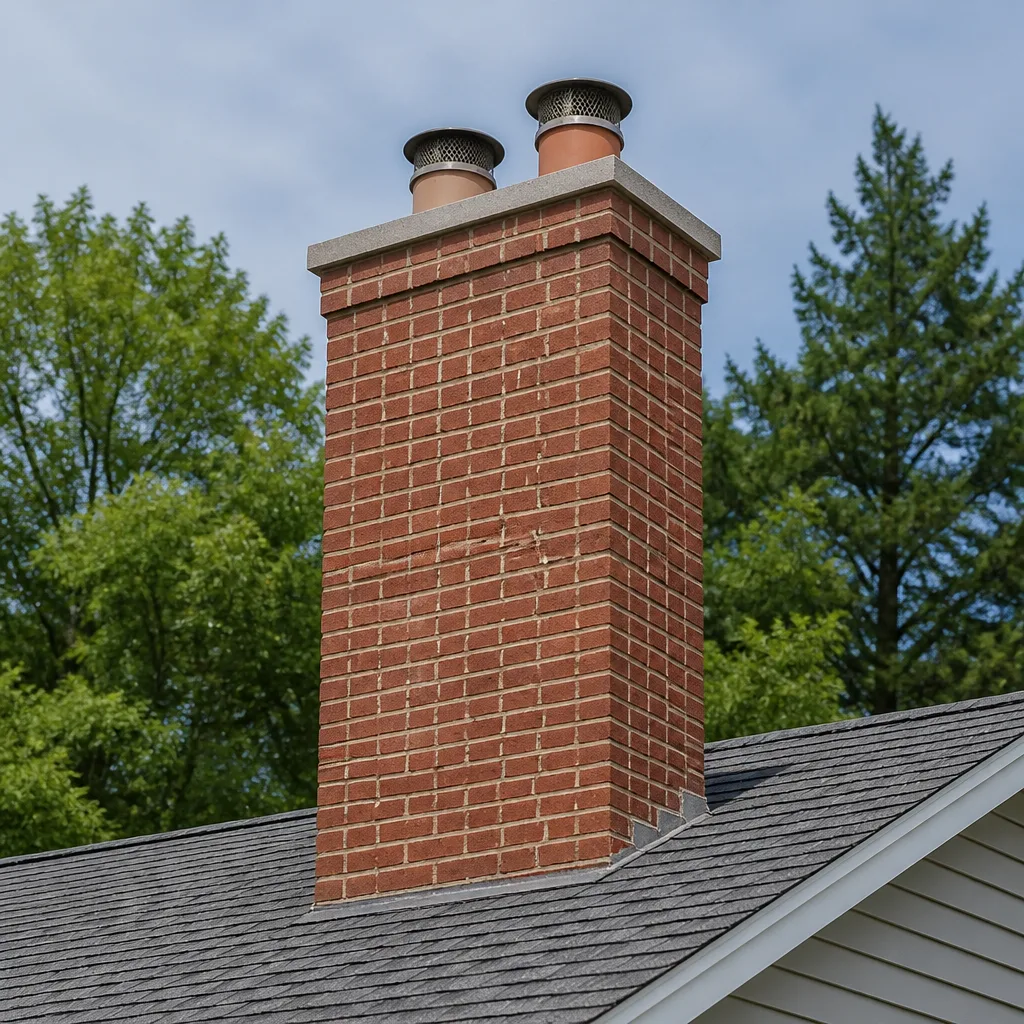 Masonry repair
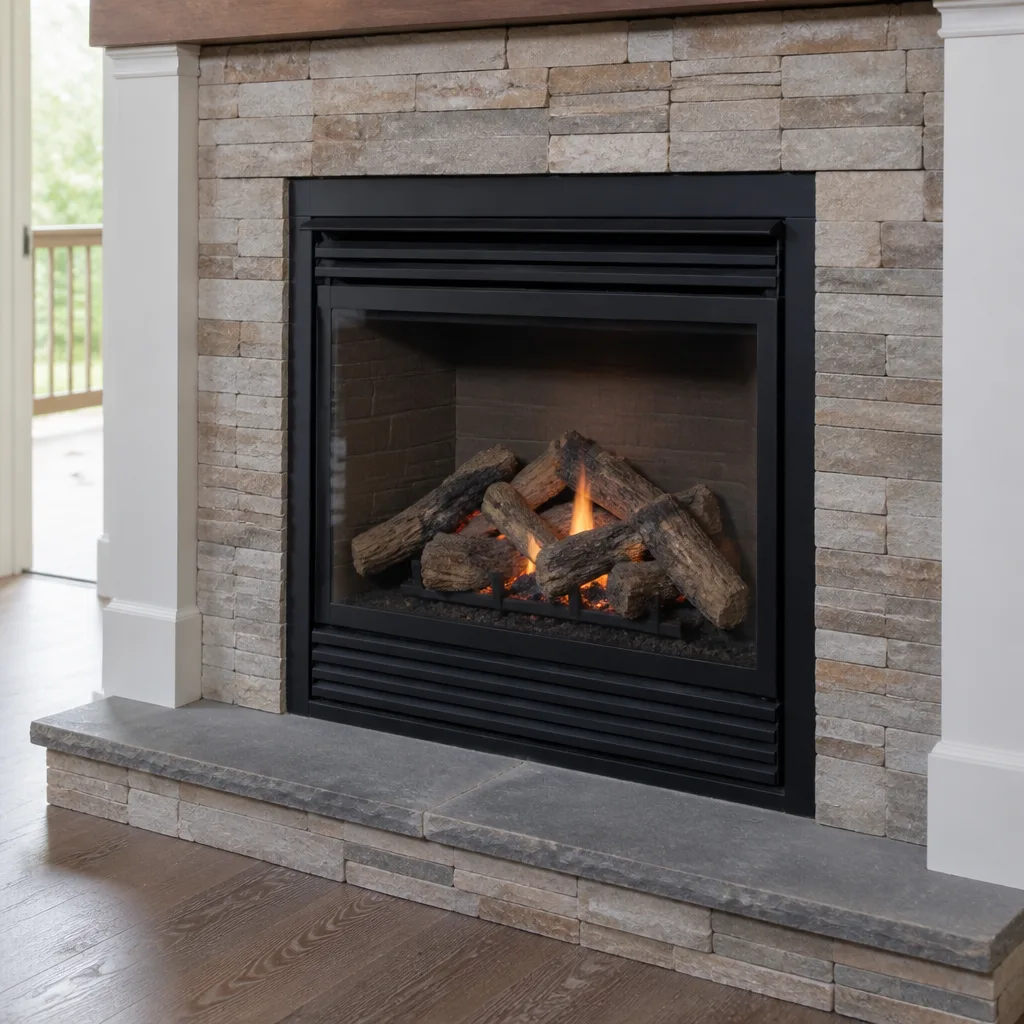 Gas fireplace service
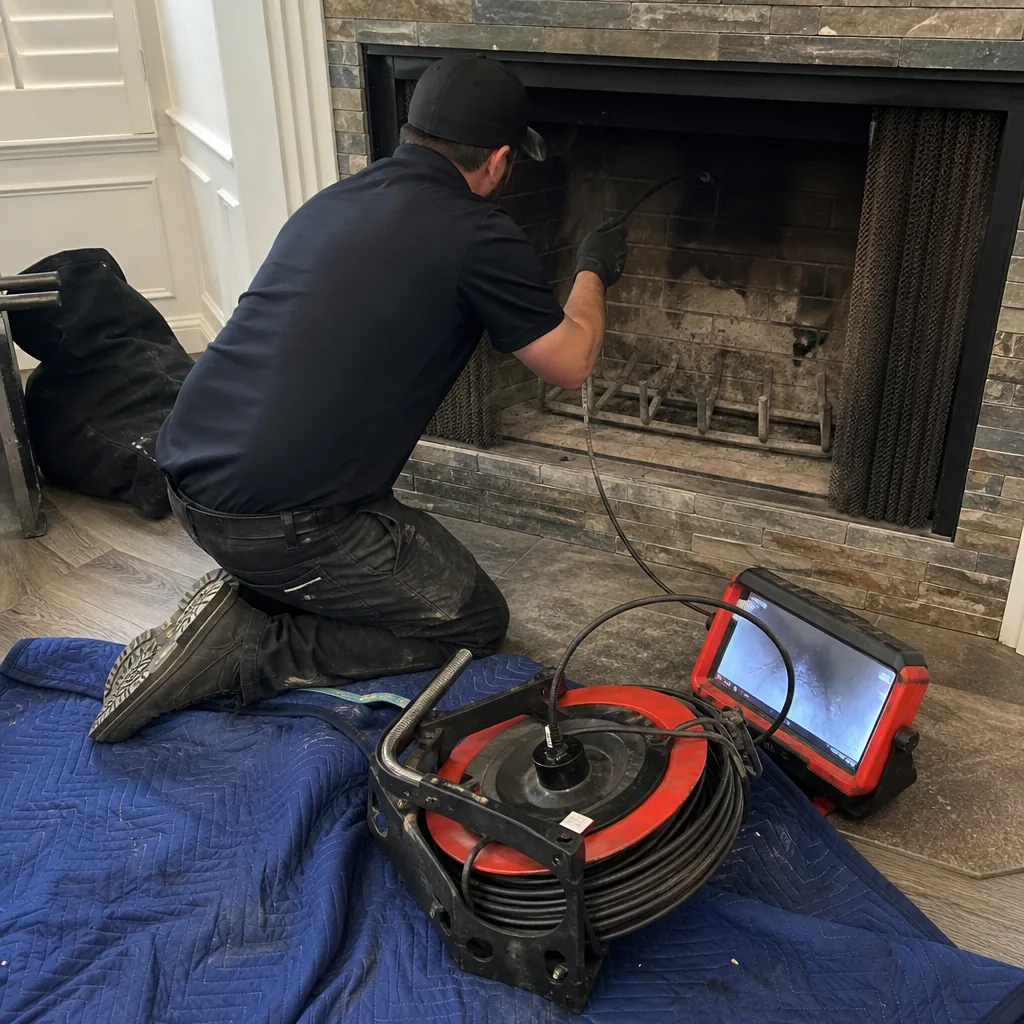
Level 1 sweep and inspection to the NFPA 211 annual standard - flue, crown, cap, and flashing checked and photographed
Chimney sweep logs do not sweep chimneys. They loosen some creosote - which then falls where a brush and vacuum still have to collect it.
Chimney Sweep Maintenance Checklist for Huntington Beach Homeowners
The standard advice, “schedule a sweep before you light your first fall fire,” was written for Chicago. In Huntington Beach, your fireplace sits mostly idle from spring through fall, and that long idle stretch is exactly when the slow damage happens: a damper that stops seating, a crown that starts holding water, mortar joints that quietly soften. The timing that matters here is different from what most chimney guides assume. This guide walks through a full-system checklist, cap to firebox, built around what actually fails first in a Huntington Beach home, plus which items you can safely check yourself and which ones need a trained specialist. Mention Huntington Beach once: here it is.
Quick Answer
A chimney maintenance checklist for a Huntington Beach home should cover seven parts: cap, crown, flashing, liner, damper, smoke chamber, and firebox. Check all seven at least once a year, and time the inspection for the end of the idle season, right before you start burning again. A sweep and a visual inspection handle most routine maintenance; structural repairs like relining or crown rebuilding belong with a specialist who works on the whole system.
Styles & brands we work with
- Sweep & inspection
- Caps & crowns
- Flue relining
- Masonry repair
- Gas fireplace service
Table of Contents
- Why Huntington Beach Chimney Maintenance Follows a Different Calendar
- The Full-System Maintenance Checklist
- What You Can Check Yourself, and What You Can’t
- Seasonal Task Timing for a Mild Climate
- Red Flags That Mean Stop Burning Until a Professional Inspects
- Sweep vs. Inspection: What’s the Difference and How Often Each Is Due
- What to Look for in Materials and Repairs
- Common Mistakes to Avoid
- When to Call a Professional
- Frequently Asked Questions
Why Huntington Beach Chimney Maintenance Follows a Different Calendar
Most chimney-care advice on the internet assumes a hard winter. It’s built around a heating season where the fire burns daily for months, soot builds fast, and the big enemy is an internal creosote load. That’s not the life of a Huntington Beach chimney. Our winters are mild. Many households use the fireplace on cool evenings and around the holidays, not as primary heat. The firebox might see a few dozen fires a year, not a few hundred.
What that means is the inside of the flue isn’t the only thing that ages. The parts that sit outdoors and idle, the cap, the crown, the mortar at the top of the stack, spend far more of the year exposed to weather than they do to fire. A Huntington Beach chimney can have a lightly used flue and still show meaningful wear on the exterior and at the top. In our experience, the exterior of the chimney and the firebox tell you as much about its condition as the flue does.
So the maintenance calendar here is organized differently. Instead of a single “before winter” push, the year splits into a long idle season when weather wear accumulates and a short active season when fire-related wear happens. The checklist below is built to catch both.
The Full-System Maintenance Checklist
A chimney isn’t one component. It’s a stack of them working together, and a good checklist treats each part on its own. Here is the component-by-component breakdown, with a note on what tends to fail first for Huntington Beach homes.
1. Chimney Cap
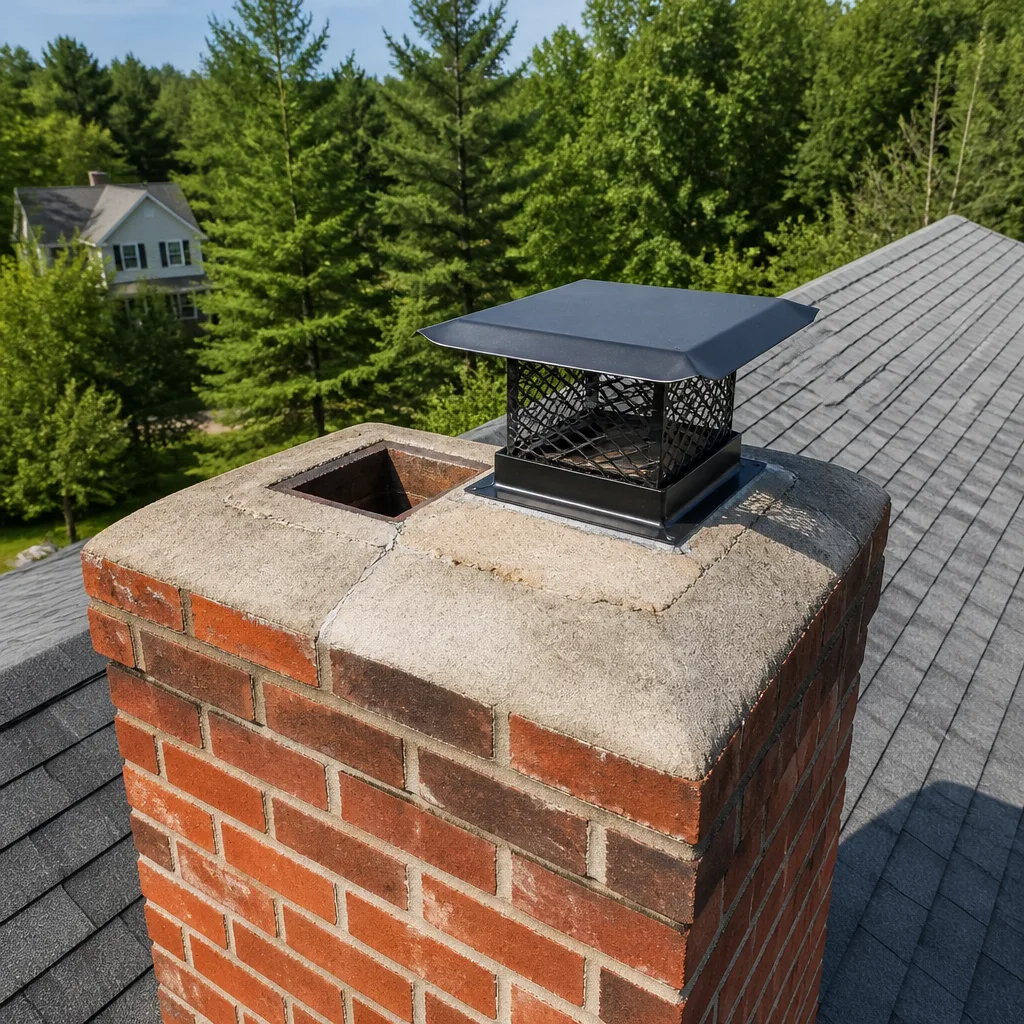
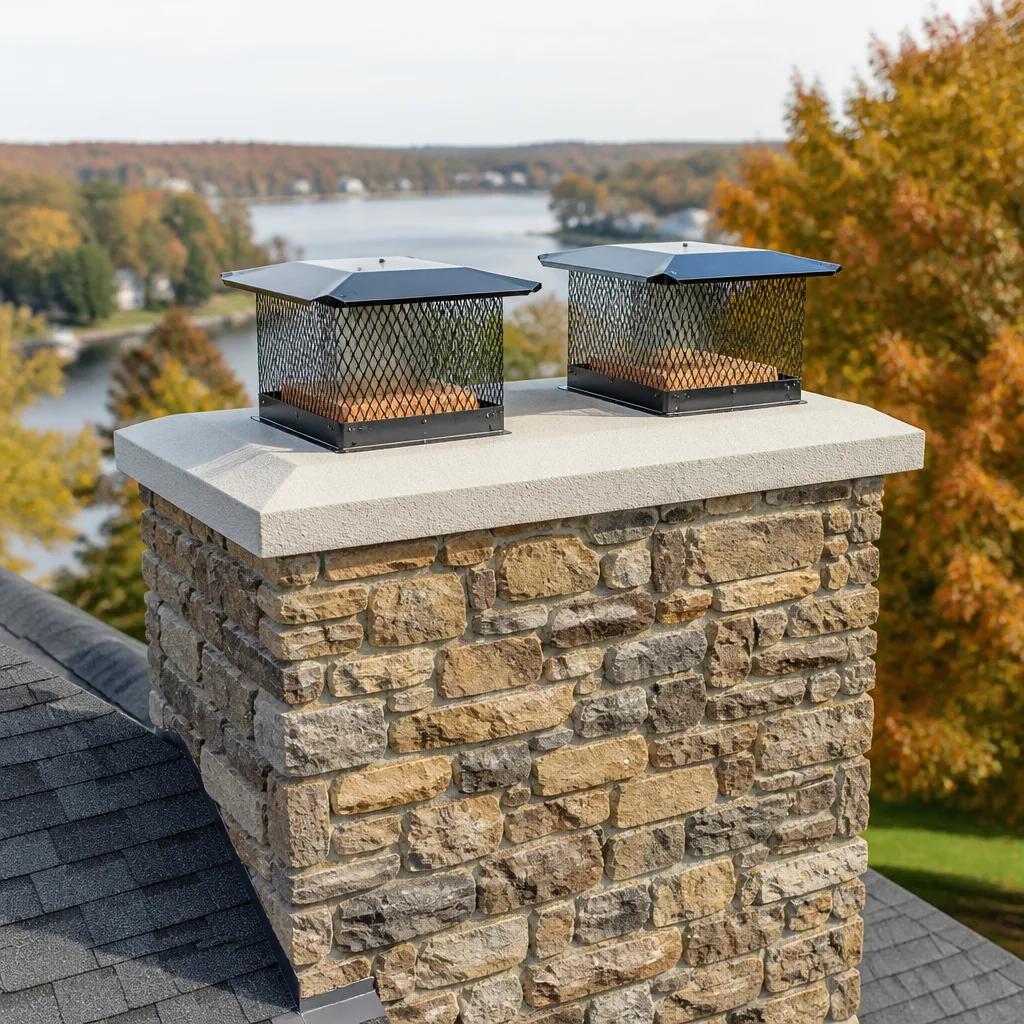
The cap is the lid on top of the flue. Its job is to keep rain, animals, and debris out while letting smoke up. Caps crack, rust, or get knocked loose by wind. A missing or damaged cap is one of the most common things we find, and it’s also one of the easiest to correct. A proper stainless or multi-flue cap from a maker like Gelco or Olympia Chimney is built to last and seals the opening properly. If your cap is loose, bent, or gone, fix it before the rainy season.
2. Crown
The crown is the concrete or masonry surface at the very top that sheds water away from the flue. A cracked crown is the classic entry point for moisture. Once water gets into the top of the chimney, it works down into the masonry. Look for visible cracks, crumbling edges, or a crown that’s pulling away from the flue. Crown repair and rebuilding is specialist work; it’s not a weekend patch job.
3. Flashing
Flashing is the metal where the chimney meets the roof. It’s a roof detail, but it belongs on a chimney checklist because failed flashing sends water straight into the chimney chase. Look for lifted, rusted, or missing flashing and for staining or rot around the base of the chimney on the roof deck. A roofer usually handles this, since it’s roof work; the chimney specialist handles the chimney side.
4. Liner
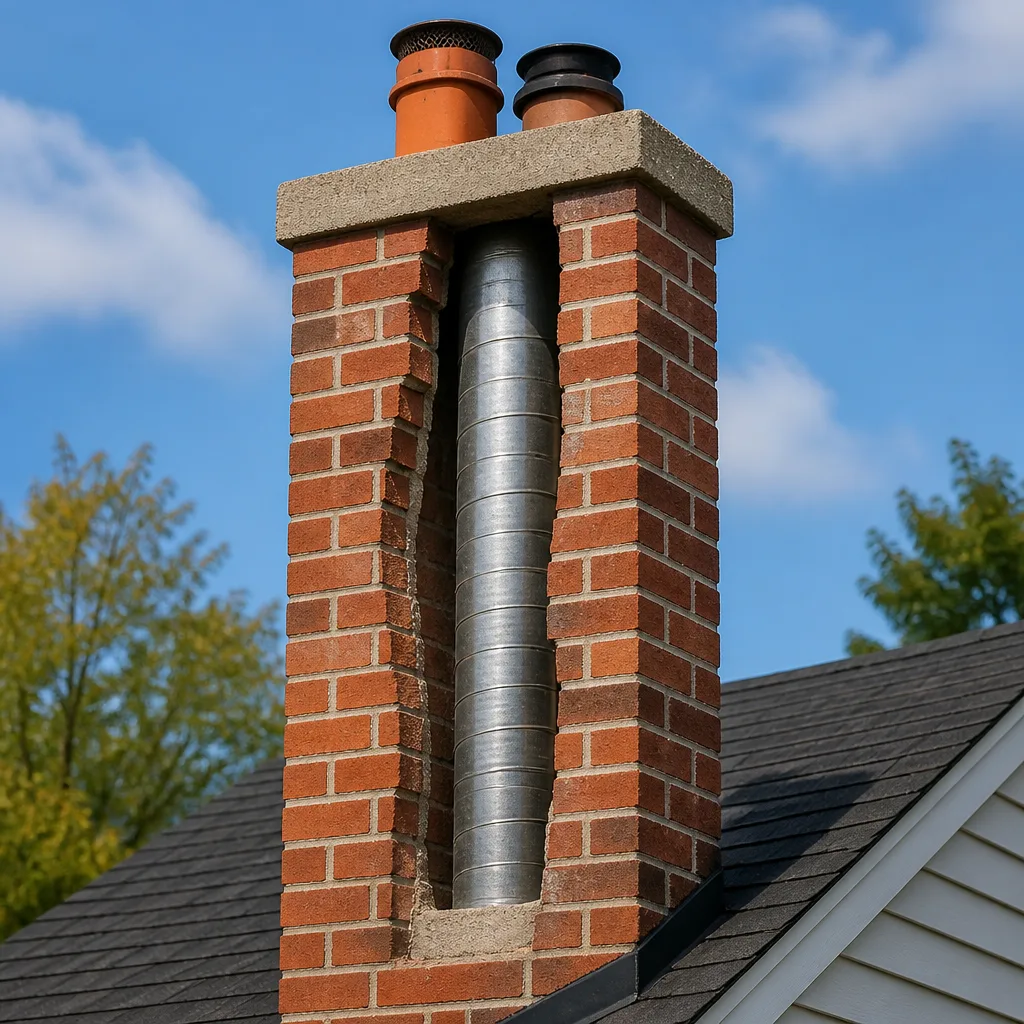
The liner is the flue’s inner wall. It carries smoke and gases up and out and protects the surrounding masonry from heat and corrosion. Liners crack, spall, or separate over time, especially at joints. A damaged liner is a genuine safety concern because it can let heat and gases reach places they shouldn’t. You can’t see your liner from the ground, which is why a camera inspection matters. When a liner needs restoring, HeatShield ceramic resurfacing can rebuild the interior without tearing the chimney apart, and DuraFlex stainless systems are an option when a full reline is the right call.
5. Damper
The damper is the door that opens and closes the flue. It needs to seal when closed and open fully when you light a fire. A damper that sticks, won’t close flush, or has corroded at the hinge is common in chimneys that sit idle for months. A damper that won’t seal lets heated or cooled air escape year-round and lets moisture and animals in when the fireplace is unused. Repair or replace a faulty damper rather than living with it.
6. Smoke Chamber
The smoke chamber is the sloping space above the firebox that funnels smoke into the flue. It’s often rough and hard to clean, and it’s a place creosote and debris collect. A rough smoke chamber can also cause smoky fires and downdrafts. Smoothing and repairing it is specialist work, and it’s worth confirming its condition during an inspection.
7. Firebox
The firebox is the box you build the fire in. Look for cracked or loose firebrick, crumbling mortar joints, and a fireback that’s deteriorated. Small cracks in firebrick can be normal; deep cracks or missing pieces let heat reach the structure behind. Firebox repair falls squarely under fireplace repair, and it’s not something to defer if the brick is failing.
What You Can Check Yourself, and What You Can’t
You can do a useful visual inspection without touching anything dangerous. The idea is to spot changes, not to fix them. Here’s what a homeowner can safely check.
From the Ground, Outside
- Look up at the cap. Is it present, straight, and not rusted through?
- Look at the crown at the top. Are there visible cracks or crumbled edges?
- Check the chimney exterior for leaning, missing mortar, or loose bricks.
- Look at the flashing where the chimney meets the roof for lifted metal or staining.
- Note any white staining or dark streaks on the masonry, which can signal moisture.
From Inside the Firebox
- With no fire burning and the damper open, shine a light up and look at the firebox walls.
- Check for cracked or loose firebrick and crumbling mortar joints.
- Open and close the damper. It should move and seat cleanly.
- Look for rust, water stains, or debris inside the firebox.
- Smell for a strong creosote or damp odor when the fireplace is cold.
What You Can’t Check
You cannot see the liner, the smoke chamber, or the interior of the flue from the ground or the firebox. Those require a camera and a trained eye. Anything involving the flue interior, structural masonry, relining, or crown rebuilding is specialist work. We handle the full chimney system, from the firebox to the cap, and that’s exactly the range where DIY stops.
Seasonal Task Timing for a Mild Climate
Because Huntington Beach doesn’t have a hard freeze to organize the year, it helps to think in two seasons, active and idle, and in the marine layer months when moisture hangs around. Here’s how we’d map the checklist across the year.
End of Idle Season (Early Fall)
- Book your annual sweep and inspection before the first fire of the season.
- Check the cap and crown after the dry months, when cracks are easiest to spot.
- Test the damper and confirm it opens and closes fully.
- Have the flue inspected by camera if it’s been more than a year.
Active Season (Cooler Months)
- Keep an eye on creosote buildup if you’re burning frequently.
- Watch for smoky fires or poor draft, which can signal a problem.
- Note any odors when the fireplace is cold.
Idle Season (Spring Through Summer)
- Inspect the exterior and crown after any rainy stretch.
- Confirm the cap is secure, since this is when animals look for openings.
- Address any moisture issues before they work into the masonry.
- This is a good window for repairs, since the fireplace isn’t in use.
The marine layer months bring more moisture into the air, and moisture is the slow enemy of masonry. That’s the reason the exterior and crown checks matter as much here as the flue check does. A chimney cap & crown in good shape is doing a lot of quiet work all year.
Red Flags That Mean Stop Burning Until a Professional Inspects
Some conditions are a stop sign. If you see any of these, don’t light a fire until a professional has looked at the chimney. These aren’t situations to watch and hope.
- Crumbling or missing firebrick with gaps behind it. Heat can reach the structure.
- Cracked or separated liner, or pieces of liner found in the firebox. The flue barrier is compromised.
- Strong creosote smell or heavy, glazed buildup. This is a chimney fire risk.
- Smoke spilling into the room instead of going up. Draft or blockage problem.
- Visible water damage, rust, or staining inside the firebox. Moisture is getting in.
- A damaged or missing cap with debris or animal evidence inside. The flue is open to intrusion.
- A leaning or visibly cracked chimney structure. This is a structural concern.
Chimney fires and carbon monoxide are real risks when a flue is compromised, which is why these red flags are non-negotiable. Not every item means a major repair, but each one means get it checked before you burn.
Sweep vs. Inspection: What’s the Difference and How Often Each Is Due
A sweep cleans; an inspection assesses. You need both, and they’re not the same task. Here’s the practical breakdown for Huntington Beach homeowners.
- Sweep: Removes creosote and soot from the flue and firebox. Frequency depends on how much you burn. If you burn often, annual is sensible; if rarely, less.
- Inspection: A visual and camera assessment of the whole system, cap to firebox, producing a written report. Do this at least once a year, and anytime you notice a red flag.
- The pairing matters: A sweep without an inspection misses the liner and smoke chamber. An inspection without a sweep leaves buildup in place. We handle both, so a finding from the inspection can be quoted and scheduled immediately.
If a home inspector or a previous sweep handed you a repair recommendation, that’s a common reason people call us. We can do the work they described rather than passing you along. A good rule: if the report names a repair, get a quote from the company that can actually perform it.
What to Look for in Materials and Repairs
The quality of the parts and materials is where a lot of chimney work succeeds or fails. When a repair comes up, ask what’s going in.
- Caps: Look for stainless or multi-flue caps from a known maker such as Gelco or Olympia Chimney, not a thin generic cover.
- Liners: DuraFlex stainless systems are a professional-grade option for relining. HeatShield ceramic resurfacing can restore a damaged flue without full demolition when the situation allows.
- Crowns: A properly built crown sheds water and lasts. Ask how it’s being rebuilt and what material.
- Repairs: Confirm the company can do the full range, sweep, inspection, cap and crown, fireplace repair, and structural work, rather than handing off the hard parts.
We install and service DuraFlex, HeatShield, Gelco, Olympia Chimney, Famco, and Copperfield products. HeatShield in particular is a specialist capability: it lets us reline and restore an aging or cracked flue without tearing out the chimney, which is a repair path many basic sweep companies can’t offer. If a repair recommendation involves relining, ask specifically whether resurfacing is an option.
Common Mistakes to Avoid
- Waiting until the first cold night to book a sweep. In Huntington Beach, the busy season is short; the end of the idle season is the time to get on the schedule, not the night before a holiday fire.
- Assuming a lightly used fireplace needs no maintenance. Idle chimneys still weather. The cap, crown, and damper age whether you burn or not.
- Ignoring a cracked crown because it’s “just cosmetic.” A cracked crown is how water gets into the masonry, and masonry damage is expensive to fix once it spreads.
- Lighting a fire with a damaged damper or firebrick. Both are red flags. Get them checked before burning.
- Using a cheap hardware-store cap to cover a rusted one. It won’t last and it won’t seal properly. Use a proper cap.
- Accepting a repair quote from a company that can’t do the repair. If the company refers out the work, you’re getting a middleman, not a specialist.
- Skipping the serial inspection. One inspection a year catches small issues before they become structural.
When to Call a Professional
Call a professional if you see any red flag from the list above, if it’s been more than a year since your last sweep and inspection, or if you’ve never had the flue examined by camera. Call if you’ve received a repair recommendation from a home inspector or a previous sweep and want it quoted by a company that can actually do the work. Call before the start of your burning season, so the end-of-idle-season checklist gets done right. And call if anything about the chimney just looks different than last year. Chimney Sweep Huntington Beach offers free estimates in Huntington Beach. Call (855) 658-5323. We answer 24/7, with fast dispatch from 7am to 7pm, Sunday through Friday.
Frequently Asked Questions
At least once a year for both, and more often if you burn frequently. In a mild climate the flue may need less sweeping than in cold regions, but the annual inspection still matters because exterior parts and the liner age whether you burn or not. Call (855) 658-5323 for an exact quote; estimates are free.
Yes. The liner is the part you can’t see from the ground, and it’s the part that carries heat and gases. A chimney can look fine outside while the liner is cracked. A camera inspection is the only way to know. Call (855) 658-5323 to schedule one.
Small issues get a year or two of extra wear. A tiny crown crack becomes a bigger one, a stuck damper stays stuck, and a rough liner joint gets worse. Skipping a year doesn’t cause instant failure, but the longer a small issue sits, the bigger the repair. Call (855) 658-5323 for an honest assessment.
You can sweep a lightly loaded flue yourself if you have the right tools and safe access, but you can’t inspect the liner, smoke chamber, or structural parts. The cleaning is the easy part; the assessment is the part that matters. Call (855) 658-5323 if you want a proper inspection alongside the sweep.
A sweep removes creosote and soot; an inspection assesses the whole system and produces a report. You need both, and they pair well on one visit. We do both, so a finding becomes a quote the same day. Call (855) 658-5323 for a free estimate.
A little stiffness is common after an idle season, but a damper that won’t open fully or won’t seal when closed is telling you something. It’s an easy thing to have checked alongside a sweep. Call (855) 658-5323 to get it looked at.
The Bottom Line
A Huntington Beach chimney needs a full-system check, not just a flue sweep. Cap, crown, flashing, liner, damper, smoke chamber, and firebox each age on their own schedule, and the long idle season is when the exterior parts take the most wear. Do your own safe visual inspection, watch for the red flags, and time your professional sweep and inspection for the end of the idle season before you start burning. When a repair comes up, use a company that can do the full range, from chimney sweep to structural repair. Nothing gets recommended without evidence you can see. That’s how we work at Chimney Sweep Huntington Beach, and it’s how you keep the system sound for the long run.
Written by the team at Chimney Sweep Huntington Beach.
See the difference
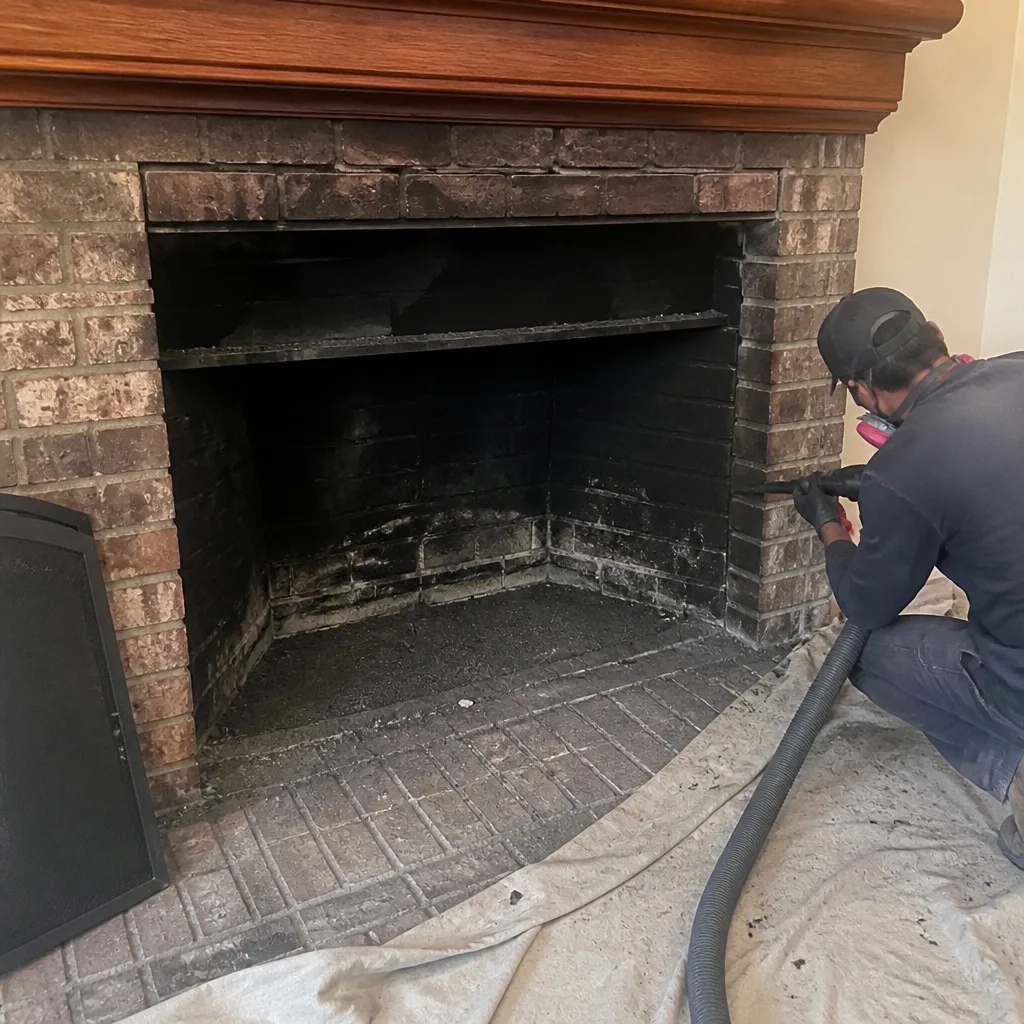 Before
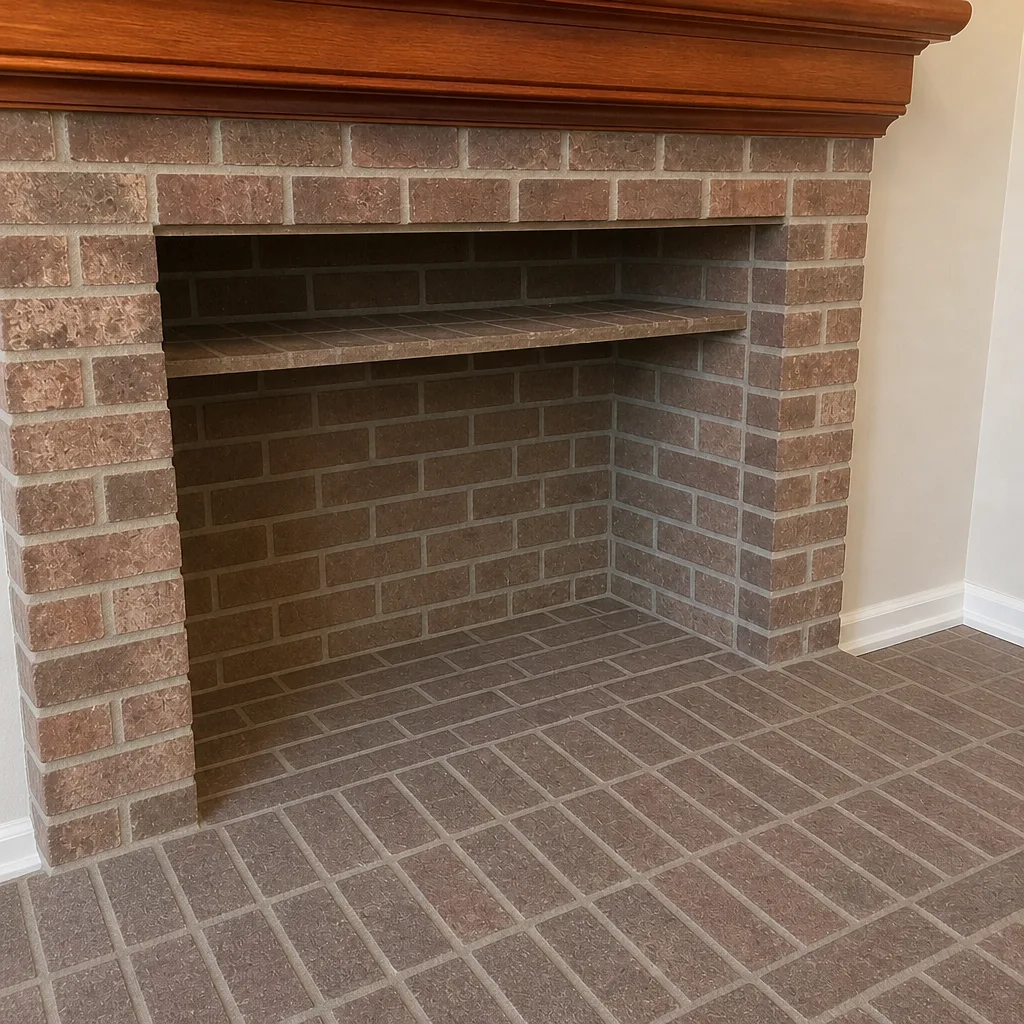 After
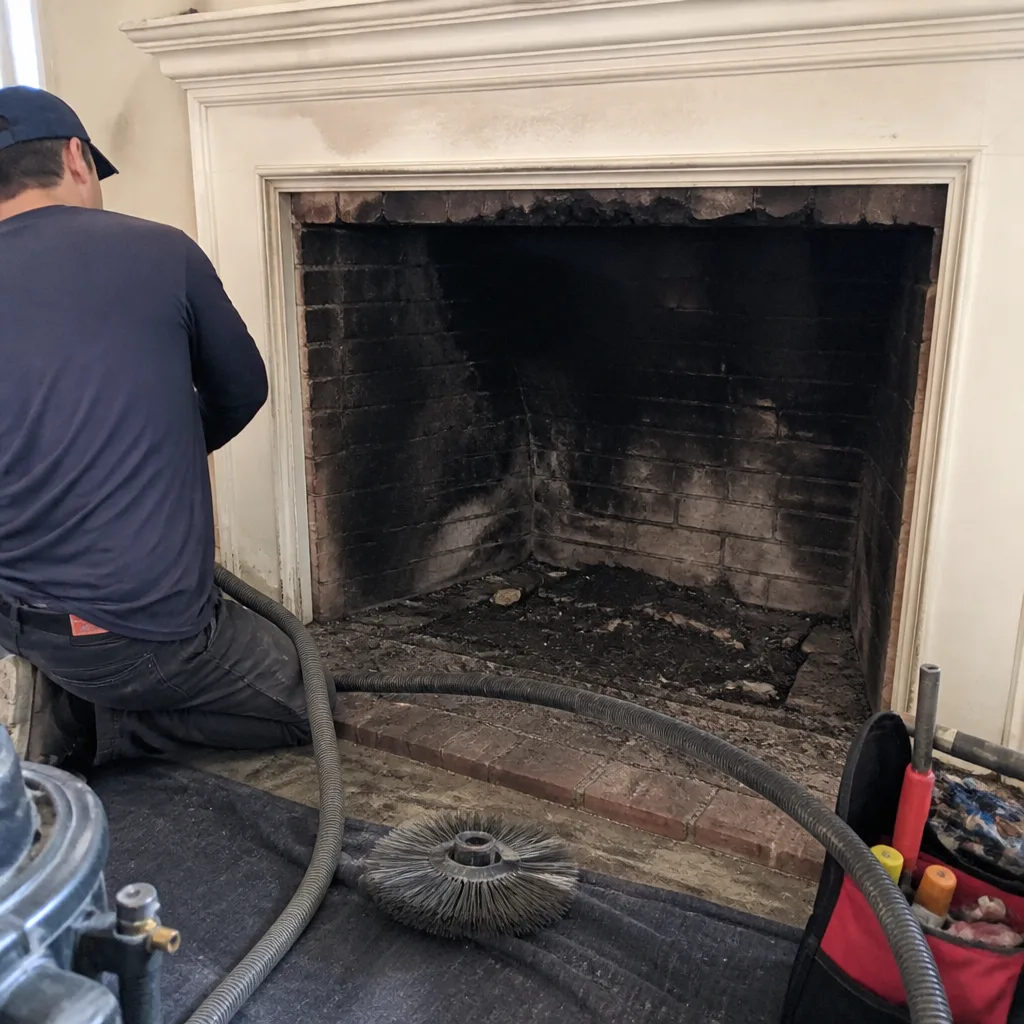 Before
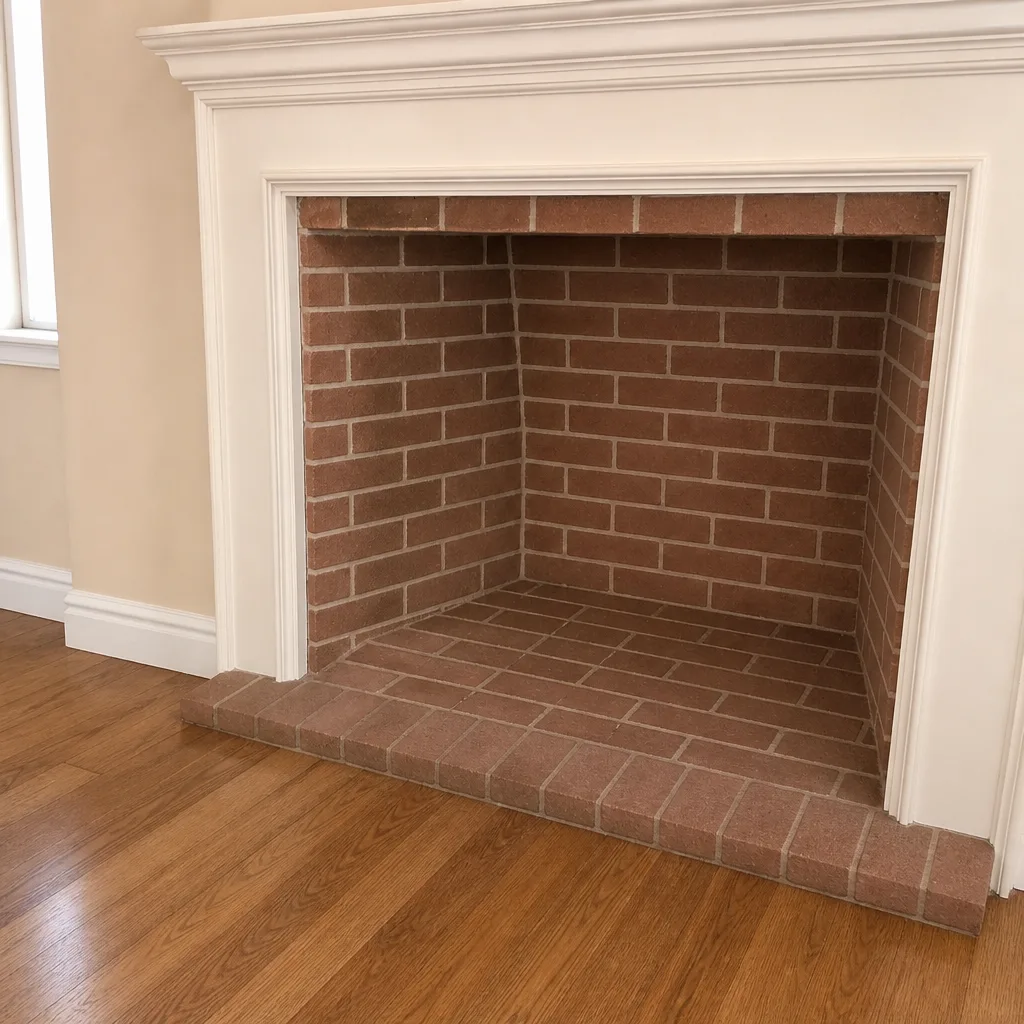 After
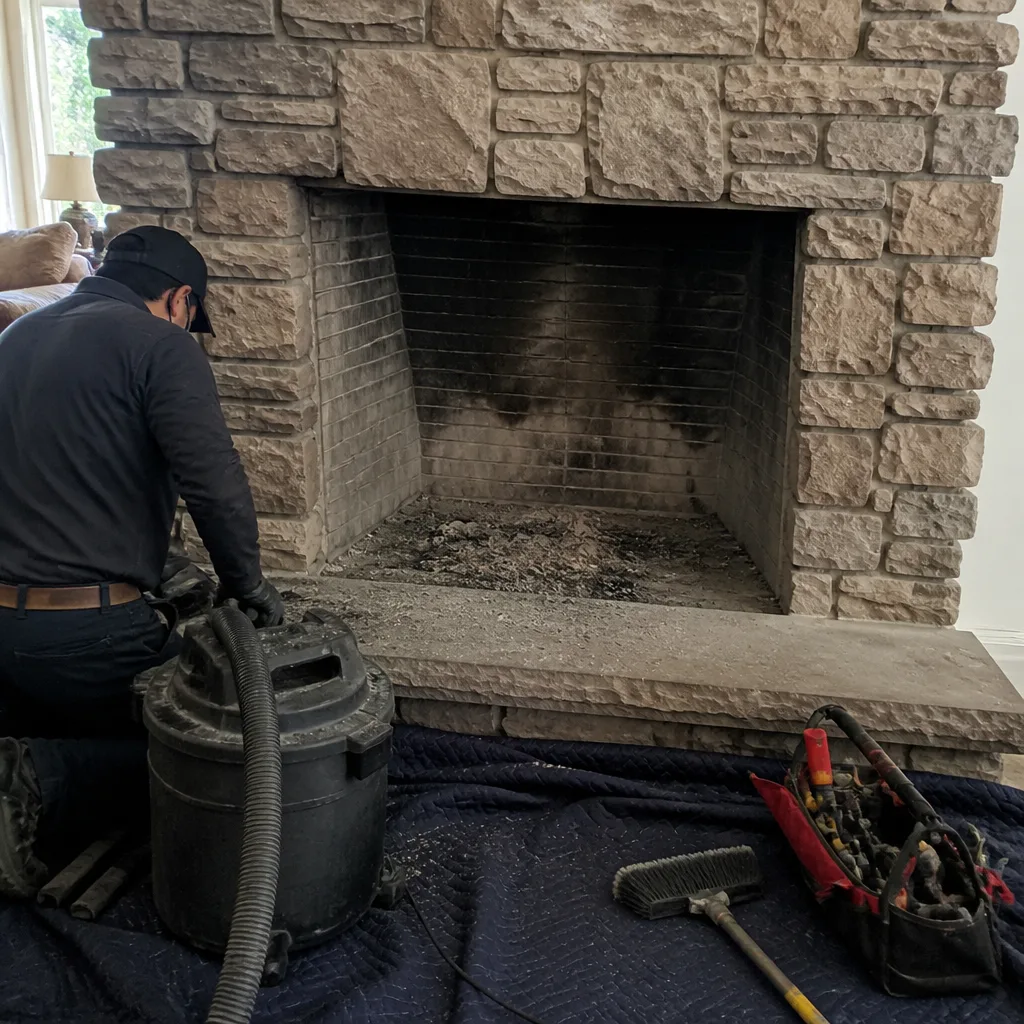 Before
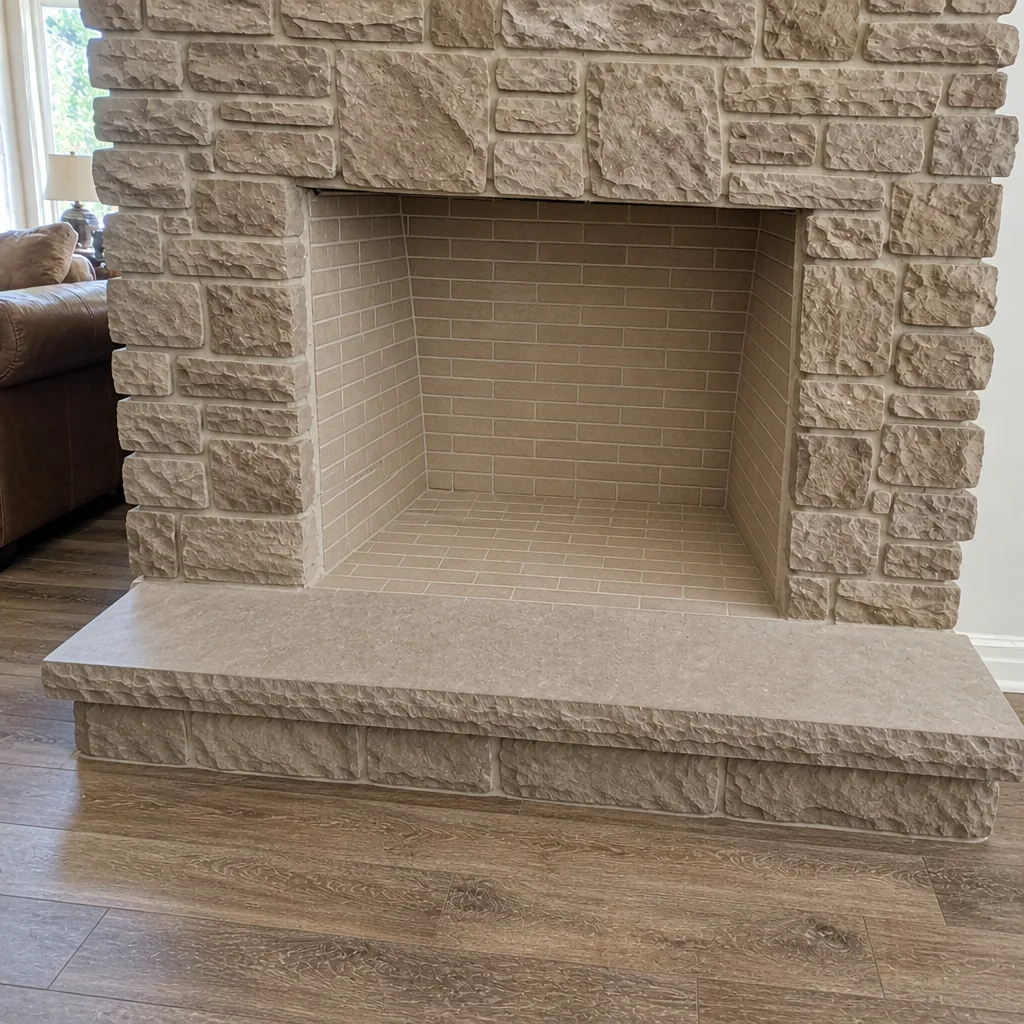 After