
Last updated November 24, 2026
 Sweep & inspection
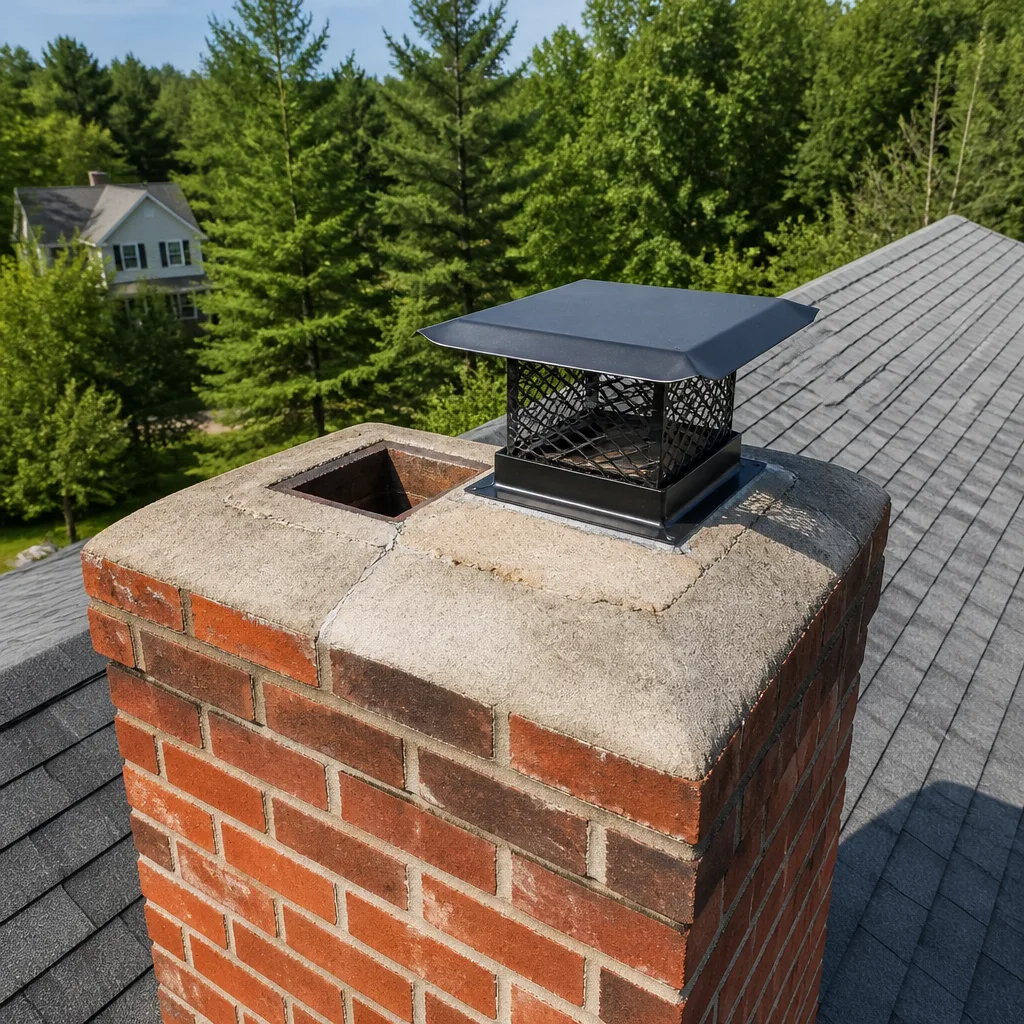
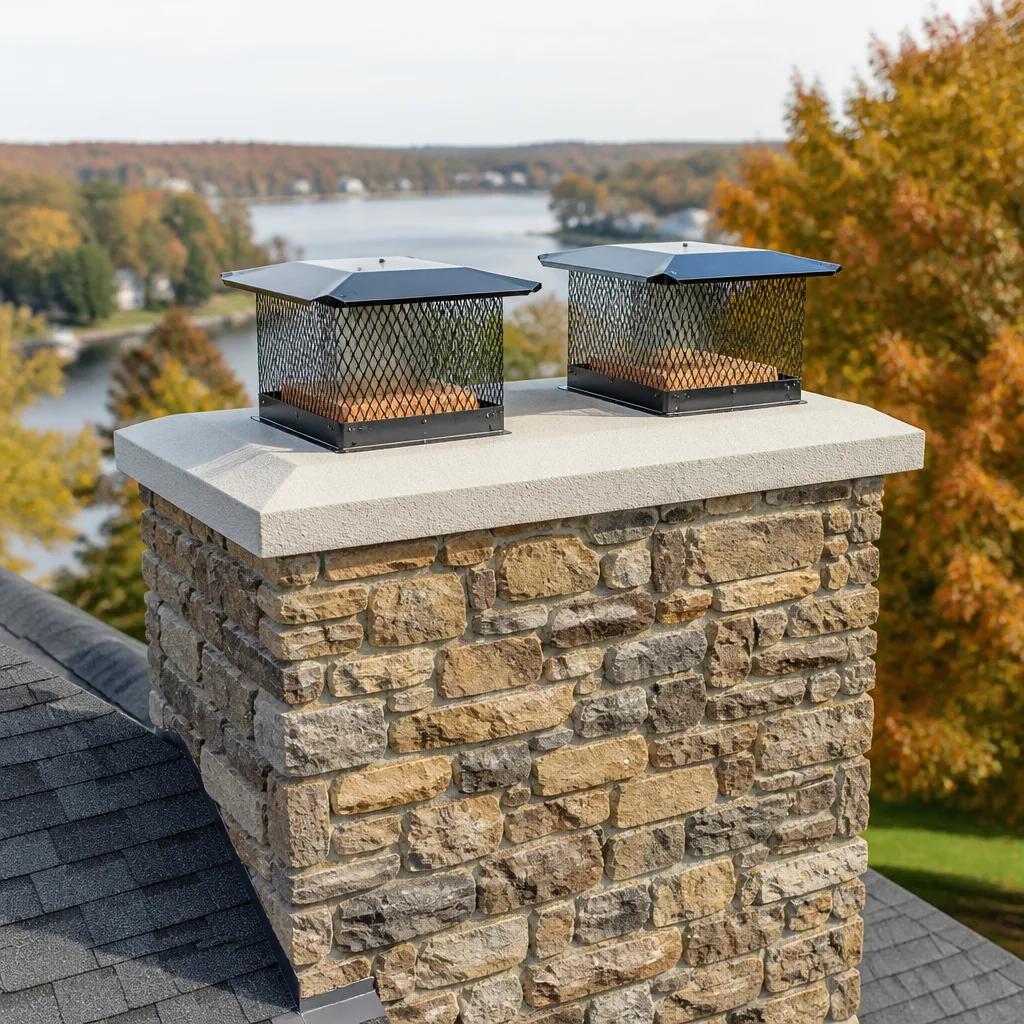 Caps & crowns
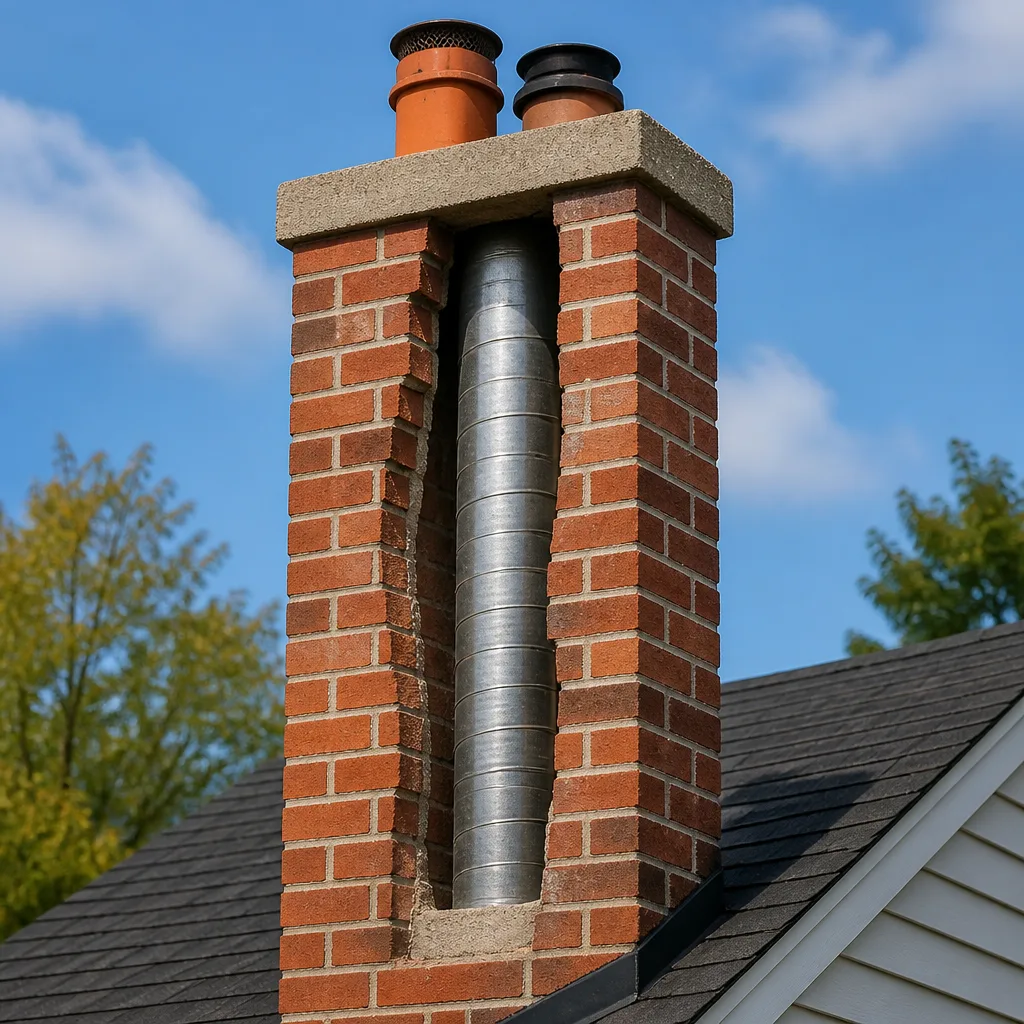 Flue relining
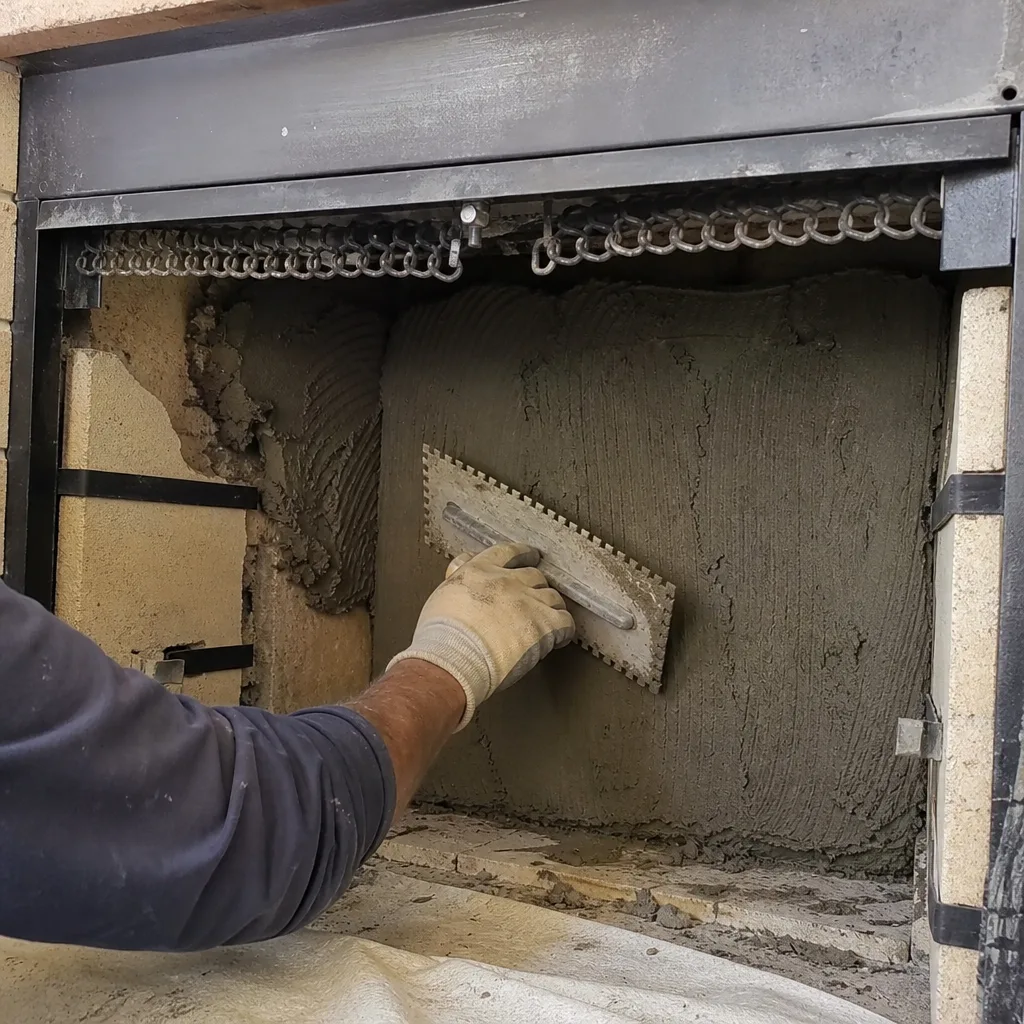
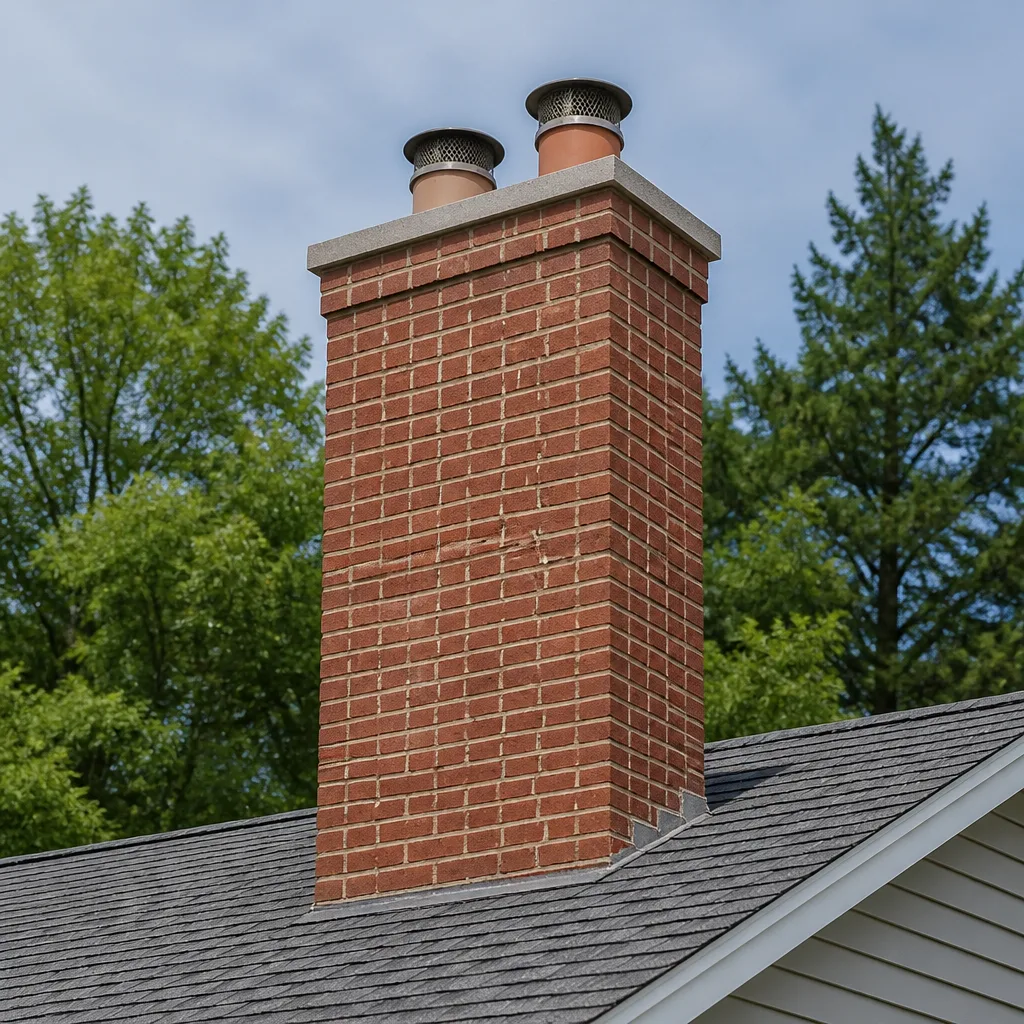 Masonry repair
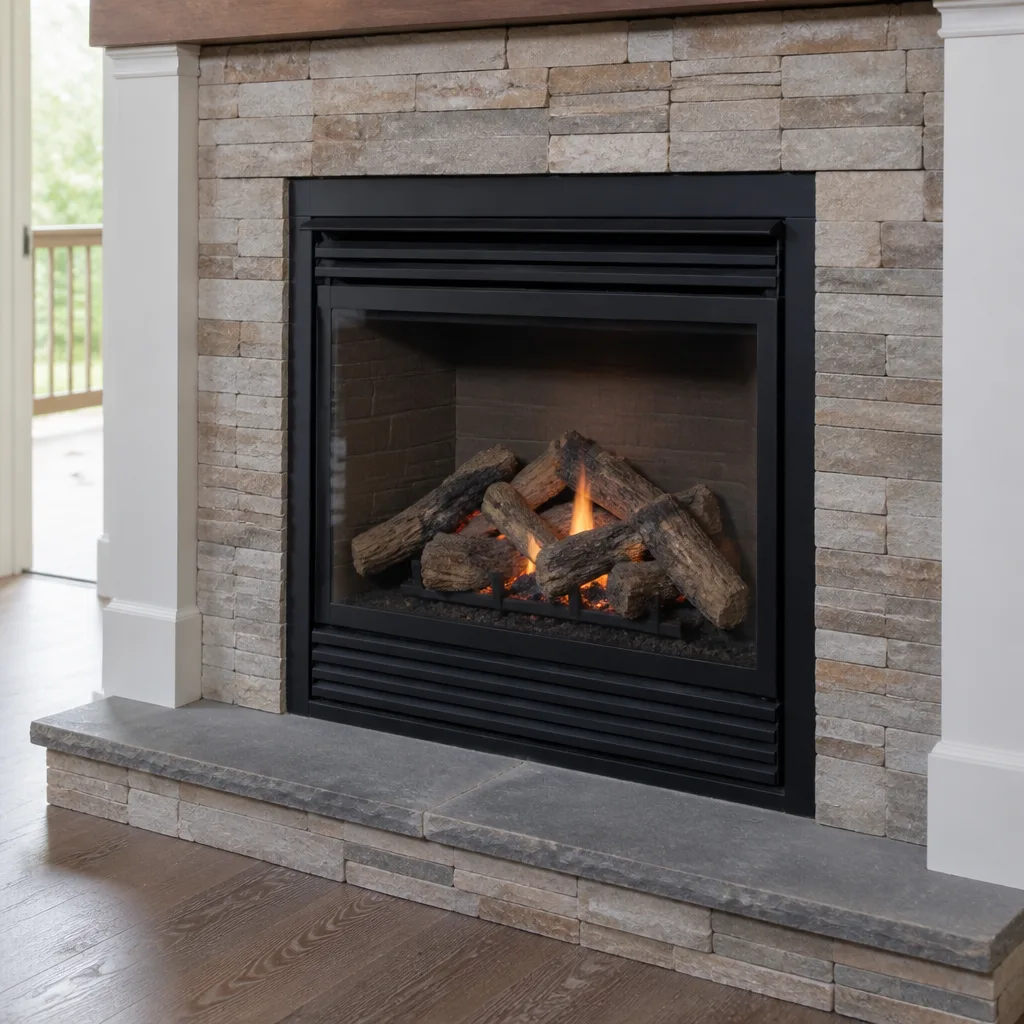 Gas fireplace service
Level 1 sweep and inspection to the NFPA 211 annual standard - flue, crown, cap, and flashing checked and photographed
Chimney sweep logs do not sweep chimneys. They loosen some creosote - which then falls where a brush and vacuum still have to collect it.
The Complete Guide to Chimney Cleaning in Huntington Beach
Here’s a fact that surprises most homeowners: a fireplace you barely use can be harder on your chimney than one you burn in every night. In Huntington Beach, where many fireplaces sit idle for eight or nine months at a stretch, the real damage isn’t coming from fire. It’s coming from the damp marine air that settles into an unused flue and stays there. That moisture works on the metal liner, the mortar joints, and the firebox in ways that heavy use in a dry climate never would. This guide walks through what chimney cleaning in Huntington Beach actually involves, why low-use chimneys still need attention, and how to tell the difference between a sweep crew that cleans and a specialist that can also repair what it finds.
Quick Answer
Chimney cleaning in Huntington Beach means removing soot and creosote from the flue, but for a coastal home it also means checking for the moisture-driven corrosion and glazed creosote that build up during long dormant seasons. A complete cleaning pairs the sweep with an inspection of the cap, crown, and liner, because those are the parts most affected by humid air sitting in a cold flue. Most chimneys used lightly still benefit from an annual sweep and inspection, and any repair a technician recommends should be backed by photos or camera footage you can see for yourself.
Styles & brands we work with
- Sweep & inspection
- Caps & crowns
- Flue relining
- Masonry repair
- Gas fireplace service
Table of Contents
- Why Huntington Beach Chimneys Age Differently
- The Stages of Creosote and Why Low Use Skips Ahead
- Level 1, 2, and 3 Inspections: Which One You Need
- What a Sweep-Only Service Misses
- What a Full-Lifecycle Chimney Service Includes
- Repair Paths That Don’t Require Demolition
- When to Call a Professional
Why Huntington Beach Chimneys Age Differently
The mild weather that makes Huntington Beach comfortable year-round is exactly what’s hardest on a chimney that doesn’t get used much. In a cold climate, a chimney dries out because the furnace and fireplace run constantly through the winter and keep the flue warm. Here, a fireplace might burn a handful of times between November and February, and the rest of the year the flue sits cold and damp. Moisture from the air finds its way in, condenses on cooler metal and masonry, and stays put.
That steady moisture does two things. First, it rusts the metal components faster than you’d expect, especially at the seams and connections where water collects. Second, it works into mortar joints and causes spalling, where the surface of the brick or mortar flakes and crumbles. If you’ve ever noticed a gritty dust on the firebox floor or a chalky crust on the bricks, that’s a sign moisture has been sitting in there. We’ve pulled liners on fireplaces that saw maybe a dozen fires and found more corrosion than we’d see in a well-used chimney in a drier part of the state.
The cap and crown matter enormously in this environment. A cracked crown lets water straight into the masonry chase, and a missing or rusted-out cap lets rain, birds, and debris into the flue. Our chimney cap & crown work exists precisely because moisture protection is the first line of defense in a humid coastal climate. If your crown is failing, no amount of sweeping will stop the damage underneath it.
The Stages of Creosote and Why Low Use Skips Ahead
Creosote is the tar-like residue left behind when wood smoke cools on the way up the flue. It builds in three recognizable stages, and the common assumption is that light use produces only the mild first stage. In a damp, cold flue that sits idle, that’s not always true. Here’s how the stages break down and why a low-use Huntington Beach fireplace can jump straight to the harder stuff.
- Stage 1, soot and flaky residue. Soft, powdery, and easy to brush out. Most homes that burn occasionally will have a layer of this, and it’s what a routine sweep is designed to remove.
- Stage 2, hardened and glazed creosote. This is where things change. When smoke cools too quickly against a cold flue, and when moisture is present, the residue condenses into a hard, shiny, tar-like coating instead of staying powdery. It clings to the liner wall and won’t come off with a standard brush.
- Stage 3, thick glazed buildup. The heaviest form, a dense crust that needs mechanical means to remove before the flue can be relined or safely used.
Here’s the counterintuitive part for Huntington Beach homeowners: a fire you light on a cool, damp evening sends smoke up a flue that was never warmed through. That cold flue surface pulls the smoke’s heat out fast, the vapor condenses, and you get glazed creosote from a fire that burned perfectly well. Long idle periods between fires make it worse, because the flue never has a chance to stay dry and warm. We’ve found Stage 2 glazed creosote in fireplaces used only rarely, and we’ve had to explain to the homeowner why.
The safety reason to care: creosote is flammable, and a heavy coating can ignite. We flag what we find and recommend a professional for anything beyond a routine sweep, because glazed creosote removal is a hands-on job that needs the right tools and a reline check afterward.
Level 1, 2, and 3 Inspections: Which One You Need
Not every inspection looks the same, and the difference matters for a home that’s sat dormant through a long warm season. Chimney inspections come in three levels, and the one you need depends on what’s changed since the last check.
- Level 1: A visual check of readily accessible parts of the chimney and firebox, done with basic tools. It’s the routine annual inspection when nothing has changed and the chimney is in normal use.
- Level 2: A more thorough inspection that adds a video camera scan of the flue interior, and access to the attic, crawl space, and other areas as needed. It’s called for after a chimney fire, after any change in the heating system, after an earthquake, or when you’re buying a home. This is the level a Huntington Beach fireplace commonly needs after a long idle season reveals unexpected corrosion.
- Level 3: The most involved, and it may require removing parts of the chimney or structure to access hidden areas. It’s used when a Level 2 finds a problem that can’t be fully assessed without opening things up.
For a coastal home with a habit of sitting idle, the Level 2 camera scan is worth asking about, because the corrosion and glazed creosote that develop in a damp flue happen out of sight. A camera lets the technician show you what’s actually there, and more importantly, lets you see it too. Huntington Beach homes change hands and change heating setups, and a camera inspection is the honest way to know what you’re working with. If you’ve had a home inspector or a previous sweep hand you a recommendation to “get the liner checked,” the Level 2 scan is how that gets answered for real.
What a Sweep-Only Service Misses
A sweep crew’s job is to clean the flue, and if that’s all you need, that’s fine. The problem comes when the sweep finds something beyond soot. In a Huntington Beach chimney, the components most affected by humid air are the cap, the crown, and the liner, and a one-task crew often cleans the flue and then hands off the rest to a different contractor. That handoff is where problems get lost between two companies.
- The cap. A missing or rusted cap lets water, birds, and debris straight into the flue. A sweep who doesn’t install caps leaves you to find someone else, and the water keeps coming in meanwhile.
- The crown. A cracked crown is the most common source of moisture in the chase, and repairing it means masonry work a basic sweep isn’t set up to do.
- The liner. Corrosion or glazed creosote on the liner can mean a reline, and a sweep who only cleans will refer you out and never see how the job turned out.
This is the practical reason we handle the full chimney system, from the firebox to the cap. When a sweep finds a worn cap or a cracked crown, we can quote and schedule the repair in the same visit instead of handing you a note and sending you looking. In our experience, the number of homeowners who end up with a recommendation they can’t act on is a sign the cleaning and the repair should live with the same company. If you want the cleaning and whatever it uncovers handled under one roof, the chimney sweep visit is the place to start.
What a Full-Lifecycle Chimney Service Includes
A full-lifecycle chimney service covers everything from the annual sweep to structural repair, so a problem found during a cleaning can be quoted and fixed without a gap in between. For a Huntington Beach home, that means pulling the whole system into one plan rather than treating cleaning as a separate errand from everything else. We work in five connected service categories, and together they cover the chimney from bottom to top.
- Sweeping. Removing soot and the creosote a routine brush can handle, with the flue cleared for safe use.
- Inspection. A written report on the condition of the flue, cap, crown, and firebox, with photos or camera footage so the findings are verifiable.
- Cap and crown. Installing and repairing the moisture protection that matters most in a humid coastal climate, using professional-grade components.
- Fireplace repair. Addressing the firebox, damper, and the parts of the fireplace you actually use.
- Chimney structural repair. Relining and resurfacing when the flue itself is compromised, including the work most basic sweep companies can’t provide.
We install and service professional-grade products from brands we trust: DuraFlex liner systems, HeatShield ceramic resurfacing, Gelco and Famco caps, and Olympia Chimney and Copperfield components. That matters in a coastal market because generic hardware-store parts don’t hold up the same way against constant humidity. Our technicians have up to 11 years of experience, and the goal is that findings from an inspection turn directly into an actionable repair quote, not a document you have to shop around to use.
Repair Paths That Don’t Require Demolition
When a damaged liner turns up, the fear is always that the fix means tearing the chimney apart. It often doesn’t. HeatShield ceramic flue resurfacing lets us restore an aging or cracked flue from the inside, smoothing the flue wall with a ceramic sealant that brings the liner back to a working surface. It’s a repair path most basic sweep companies simply can’t offer, and for a Huntington Beach chimney with moisture-related spalling, it can solve the problem without a full rebuild.
The choice between resurfacing and a full reline comes down to what the camera finds. If the flue is cracked or has deteriorated mortar joints but is structurally sound, resurfacing can restore it. If the liner is beyond that, a new DuraFlex liner system is the right call. A technician explains which applies, shows you the footage behind the recommendation, and says plainly when a repair can safely wait. Nothing gets recommended without camera evidence you can look at yourself, because that’s the only way to check the work isn’t being padded.
Your fireplace matters here too. A firebox with failing bricks or a damper that won’t open is worth handling alongside the flue, since moisture does the same damage inside the firebox that it does up the flue. That’s why the cleaning, the fireplace repair, and the liner work belong on the same inspection report.
See the difference
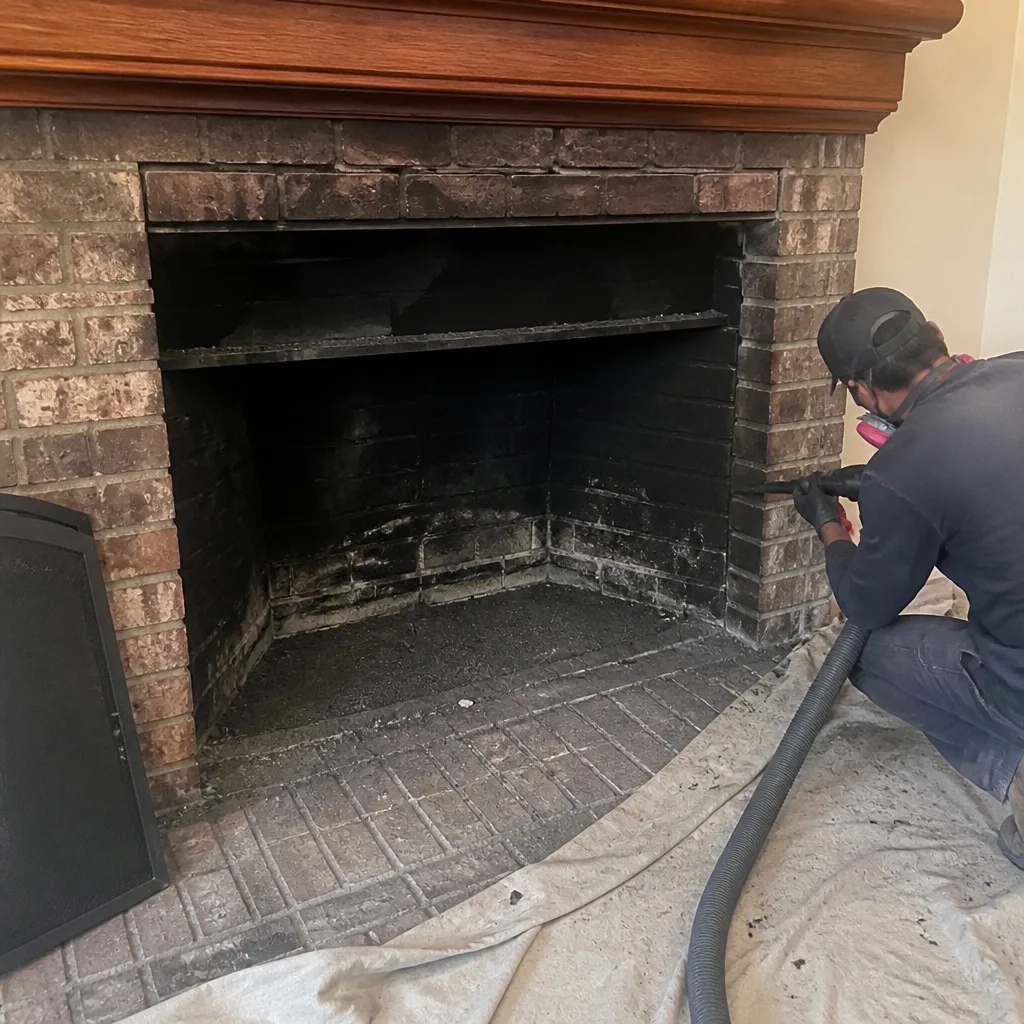 Before
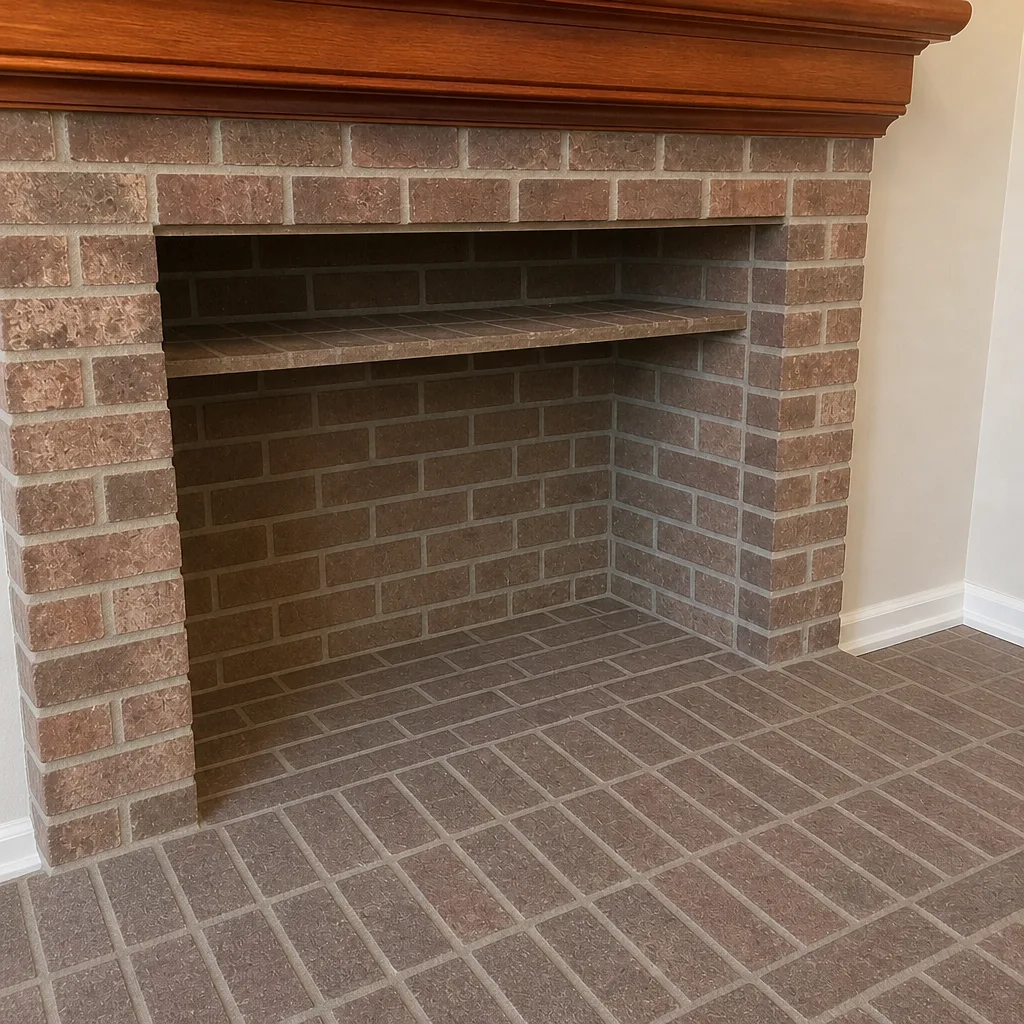 After
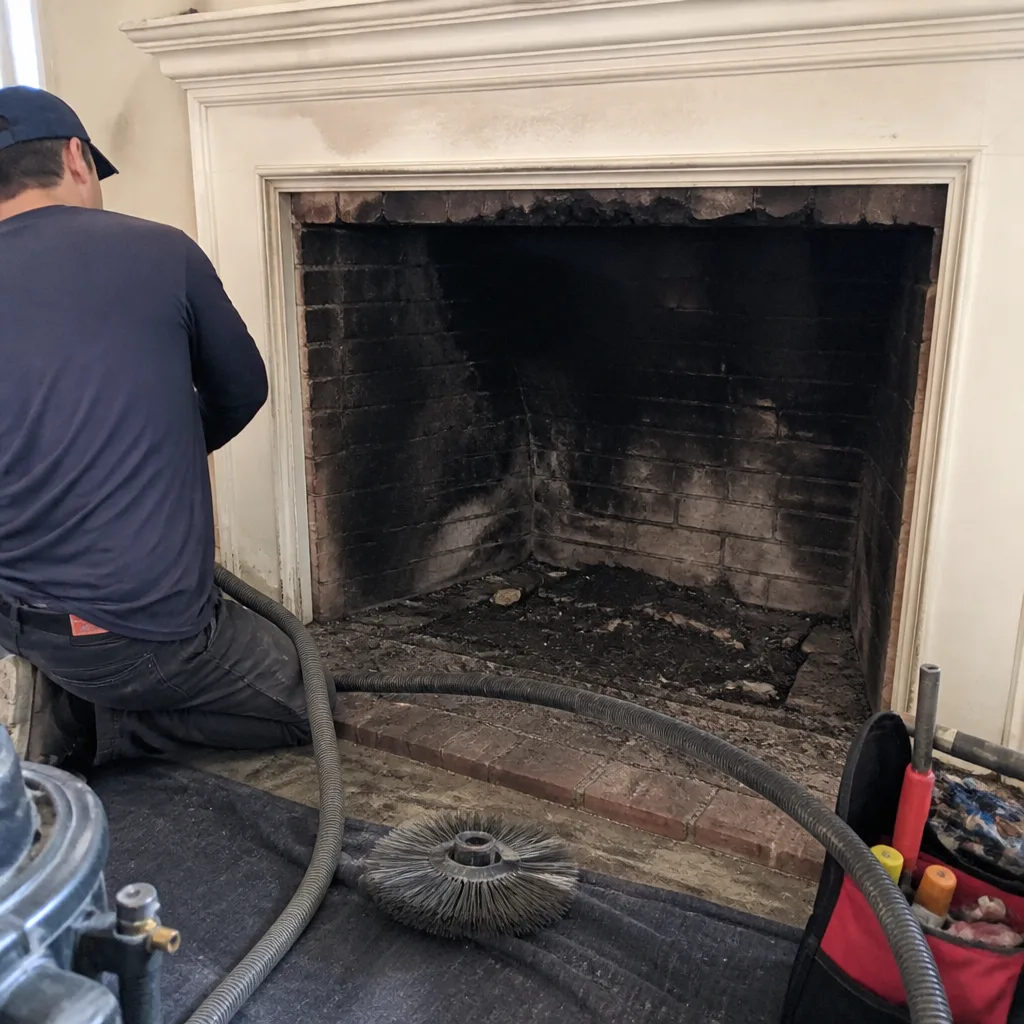 Before
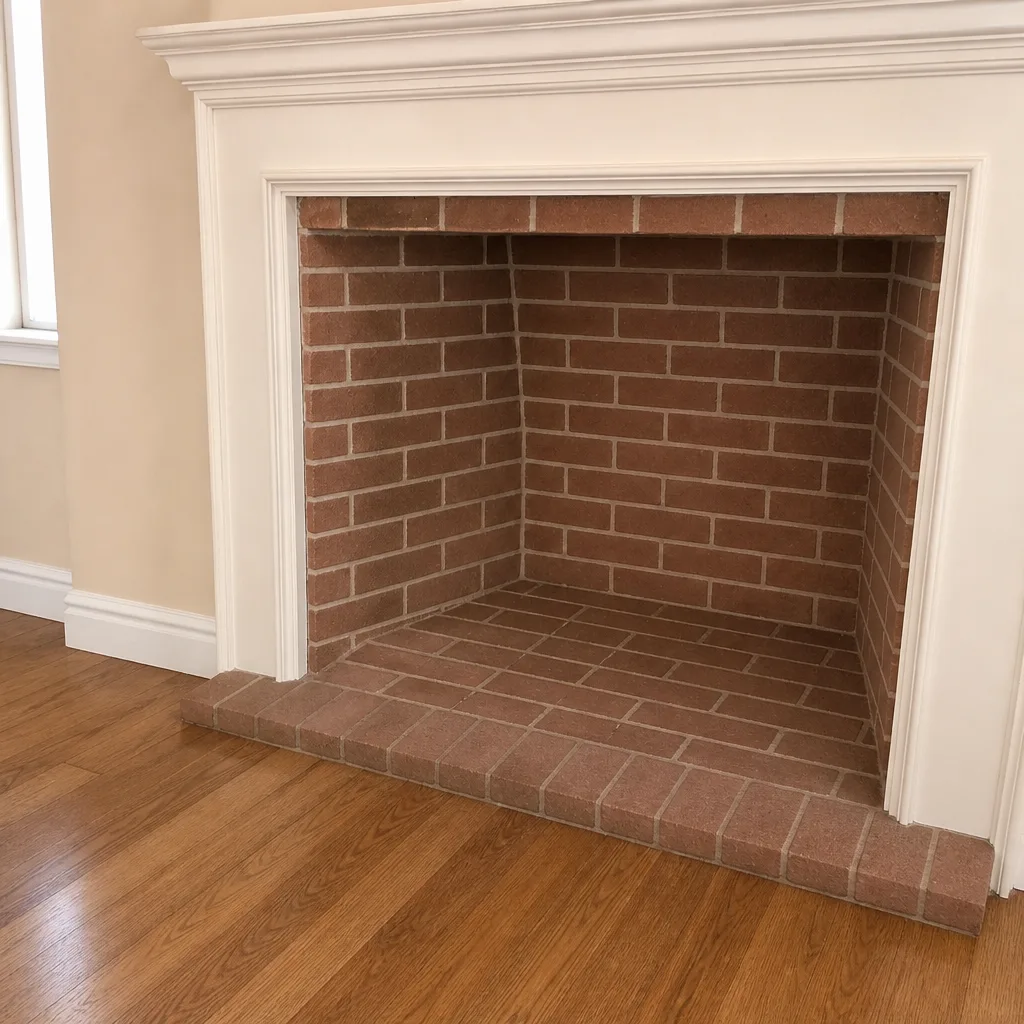 After
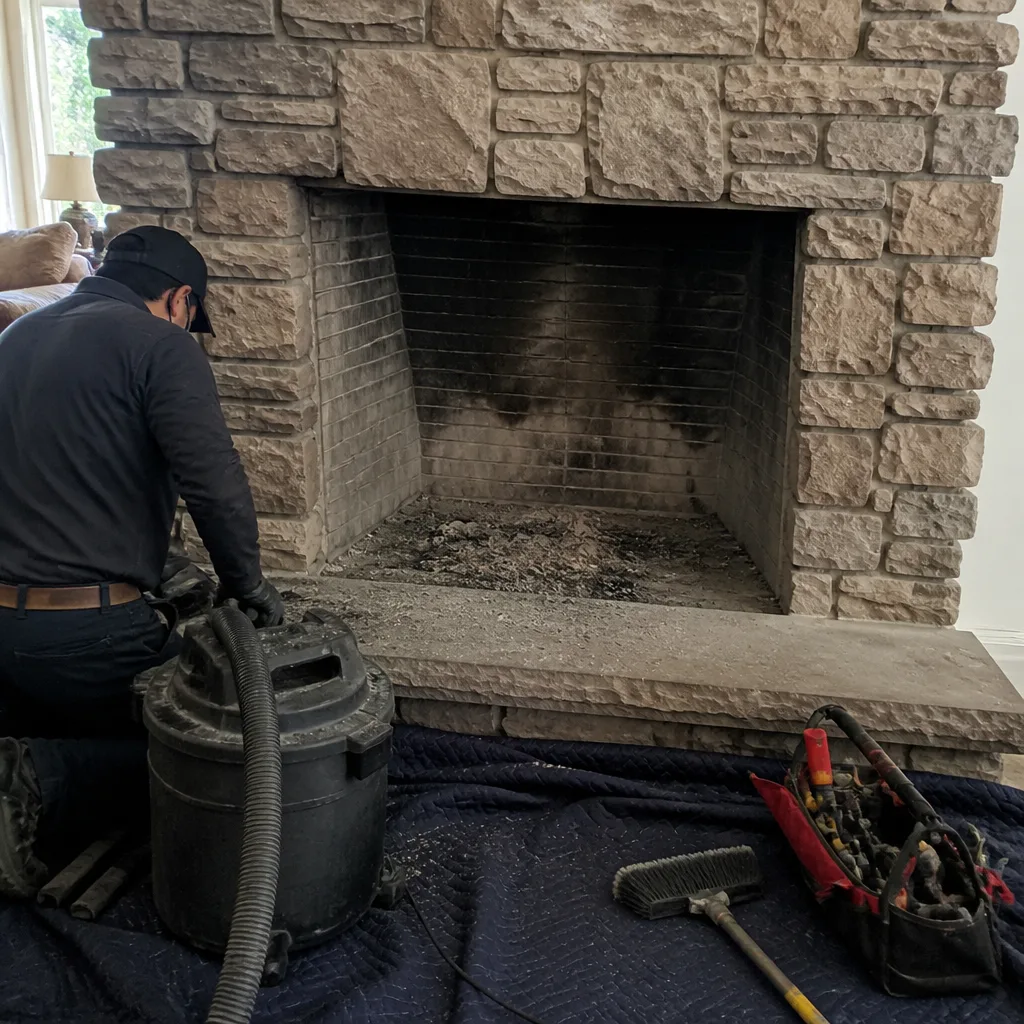 Before
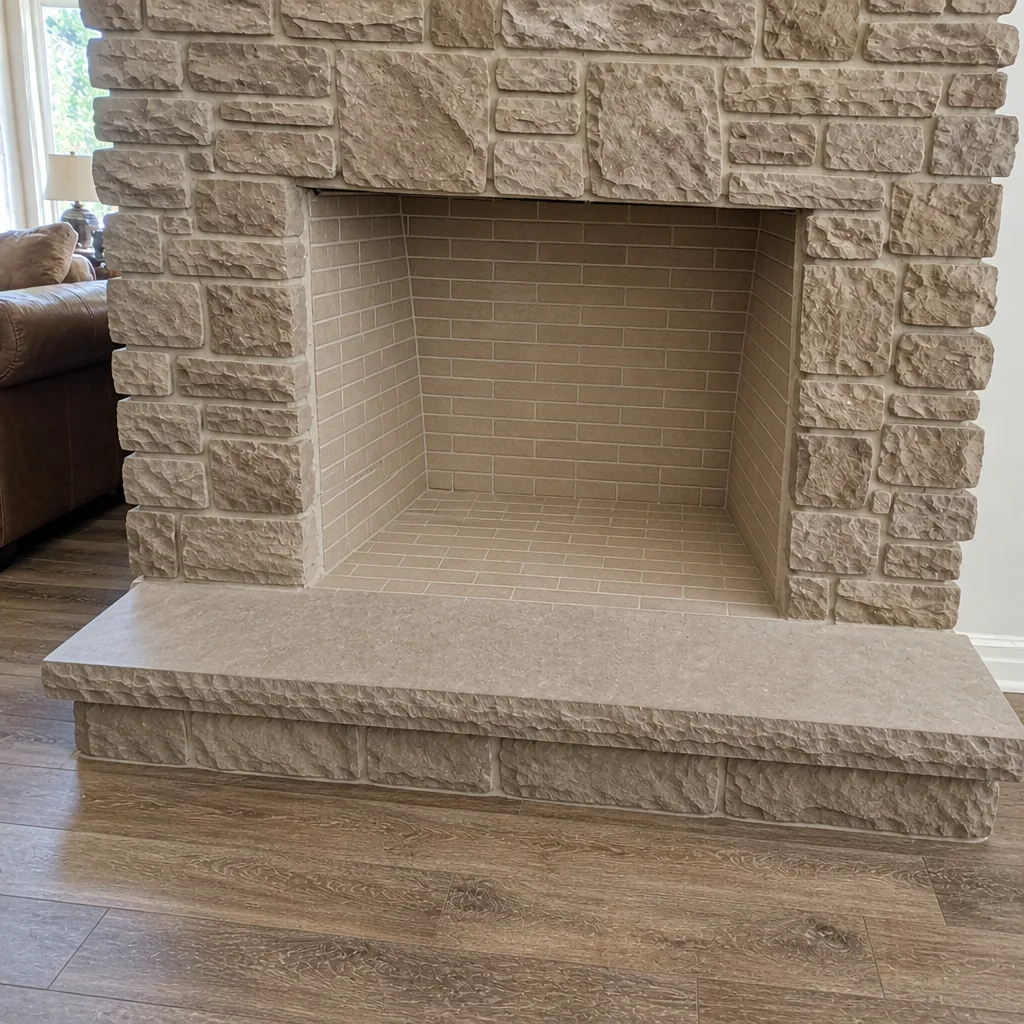 After
Common Mistakes to Avoid
- Assuming an unused fireplace doesn’t need a sweep. In this climate, the idle season is when the damage happens, and a flue that sat damp all summer is exactly the one worth checking before you light the first fire.
- Skipping the inspection because the sweep looked fine. A clean flue can still have a cracked crown or a corroded liner out of sight. The cleaning tells you the flue is clean, not that it’s sound.
- Letting a sweep hand off the cap and crown. Moisture is the leading threat in Huntington Beach, and leaving the cap work to a second contractor means the water keeps coming in while you wait.
- Ignoring glazed creosote because you “barely use it.” Low use in a cold, damp flue can produce Stage 2 creosote, which a standard brush won’t remove and which needs a professional before the flue is safe.
- Treating one inspection report as the whole story. A Level 1 look doesn’t cover the flue interior. If the chimney has sat idle or changed hands, ask for the camera scan.
- Burning unseasoned wood to warm the flue faster. Green or wet wood sends more moisture and more creosote up the flue, which is the last thing a coastal chimney needs. Dry, seasoned wood burns cleaner.
- Assuming the recommendation is the last word. Ask to see the camera footage. A real repair is backed by evidence, and a recommendation without it is worth questioning.
When to Call a Professional
Call a professional before you light the fireplace if it’s been sitting idle since last winter, if you’ve never had the flue inspected, or if you see any of the moisture signs: a chalky crust on the bricks, rust at the liner seams, a cracked crown, or a missing cap. Call sooner if you’ve had a chimney fire, a chimney that smells strong even when it’s not in use, or a recommendation from a home inspector that never got resolved. These aren’t jobs to eyeball yourself, because the liner and creosote condition that matter are inside the flue and out of sight.
Chimney Sweep Huntington Beach offers free estimates in Huntington Beach – call (855) 658-5323. We answer 24/7. Fast dispatch from 7am to 7pm, Sunday through Friday. Every job starts with a flat-price agreement before we book, and the inspection comes with camera evidence and a photo report so you can see what we found. Our technicians have up to 11 years of experience, and the local professional who does the work is licensed and insured as the state requires.
Frequently Asked Questions
A standard chimney sweep is priced per job and confirmed in a written estimate before we book, which means you know the flat price before anyone starts. The estimate is free, and the written estimate sets the final price, so there are no surprise add-ons once the work is underway. Call (855) 658-5323 to get an exact quote for your chimney.
Yes, and in Huntington Beach the low-use chimney often needs it more, not less. A flue that sits cold and damp for months collects moisture, which corrodes the liner and helps smoke residue harden into glazed creosote. The idle season does the damage, so a sweep and inspection before you start burning catches it early. Call (855) 658-5323 to book an inspection.
Once a year is the common guidance for a chimney in regular use, and for a coastal home that sits idle, an annual check still makes sense to catch moisture damage before it spreads. If you burn often, or notice a strong smell or reduced draft, don’t wait the full year. Call (855) 658-5323 and we’ll help you decide what your chimney needs.
Not always. A cracked or deteriorated but structurally sound flue can often be restored with HeatShield ceramic resurfacing instead of a full reline, which saves the mess and cost of demolition. The honest answer comes from the camera scan, and we show you the footage before recommending anything. Call (855) 658-5323 for a free estimate.
A Level 1 inspection is a visual check of accessible parts, while a Level 2 adds a video camera scan of the flue interior plus access to areas like the attic. After a long dormant season, a Level 2 is often the better choice because the moisture damage and glazed creosote happen out of sight. Call (855) 658-5323 to ask which level fits your chimney.
Creosote keeps building, moisture keeps working on the liner and mortar, and what might have been a simple sweep turns into resurfacing or a reline. In the worst case, heavy creosote can ignite in a chimney fire. We say plainly when a repair can safely wait, so there’s no pressure to do more than your chimney needs. Call (855) 658-5323 for a free estimate and an honest read.
The Bottom Line
Chimney cleaning in Huntington Beach is about more than soot. The marine humidity that sits in an idle flue drives corrosion, spalling, and glazed creosote that a low-use fireplace can develop faster than a busy one in a dry climate. A complete service pairs the sweep with an inspection that actually looks at the cap, crown, and liner, and with a company that can repair what it finds. Get the camera evidence, ask about resurfacing before you assume a rebuild, and treat the cap and crown as moisture protection, because that’s what they are. One company from sweep to repair keeps the findings and the fix connected.
If you want the whole system handled by one specialist, call (855) 658-5323 for a free estimate. We answer 24/7. Fast dispatch from 7am to 7pm, Sunday through Friday. Start at Chimney Sweep Huntington Beach and we’ll take it from the first inspection to whatever repair your chimney actually needs.
Written by the team at Chimney Sweep Huntington Beach.