
Last updated November 24, 2026
 Sweep & inspection
 Caps & crowns
 Flue relining
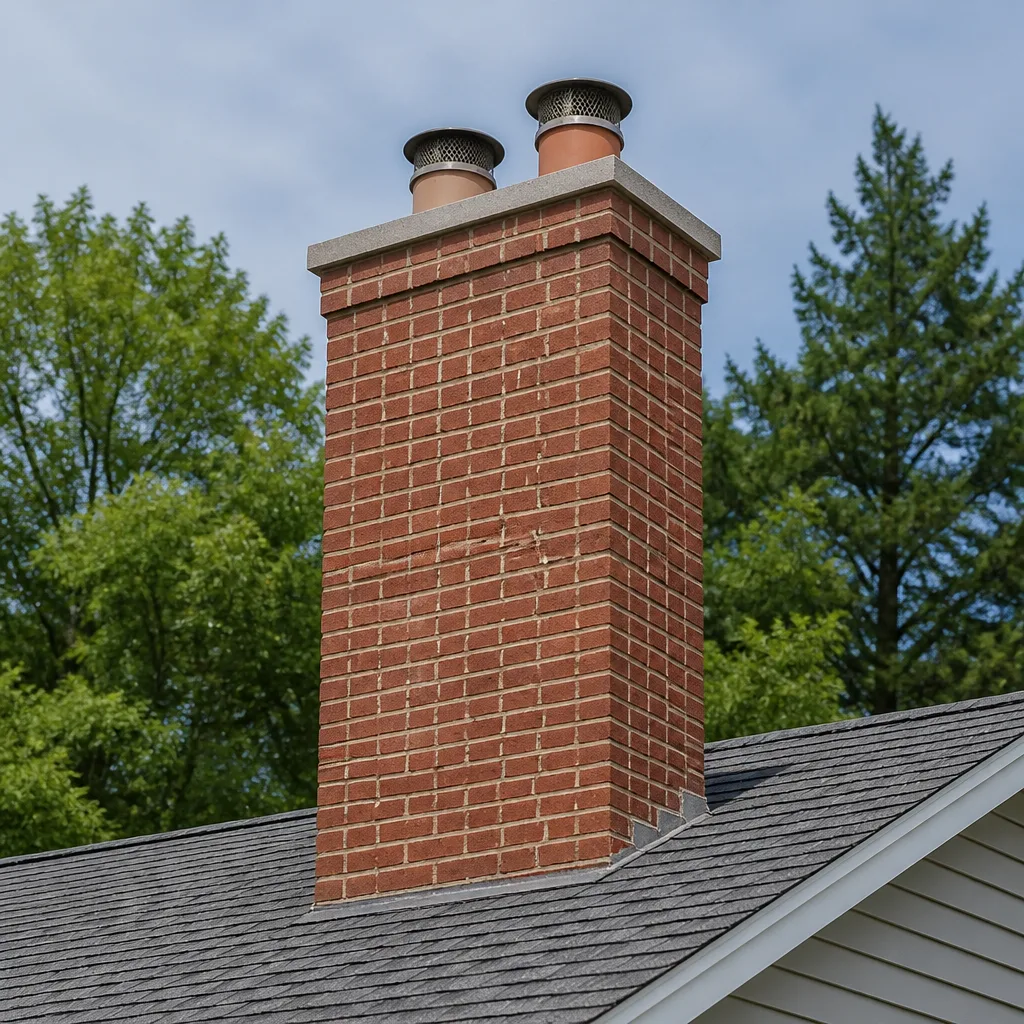 Masonry repair
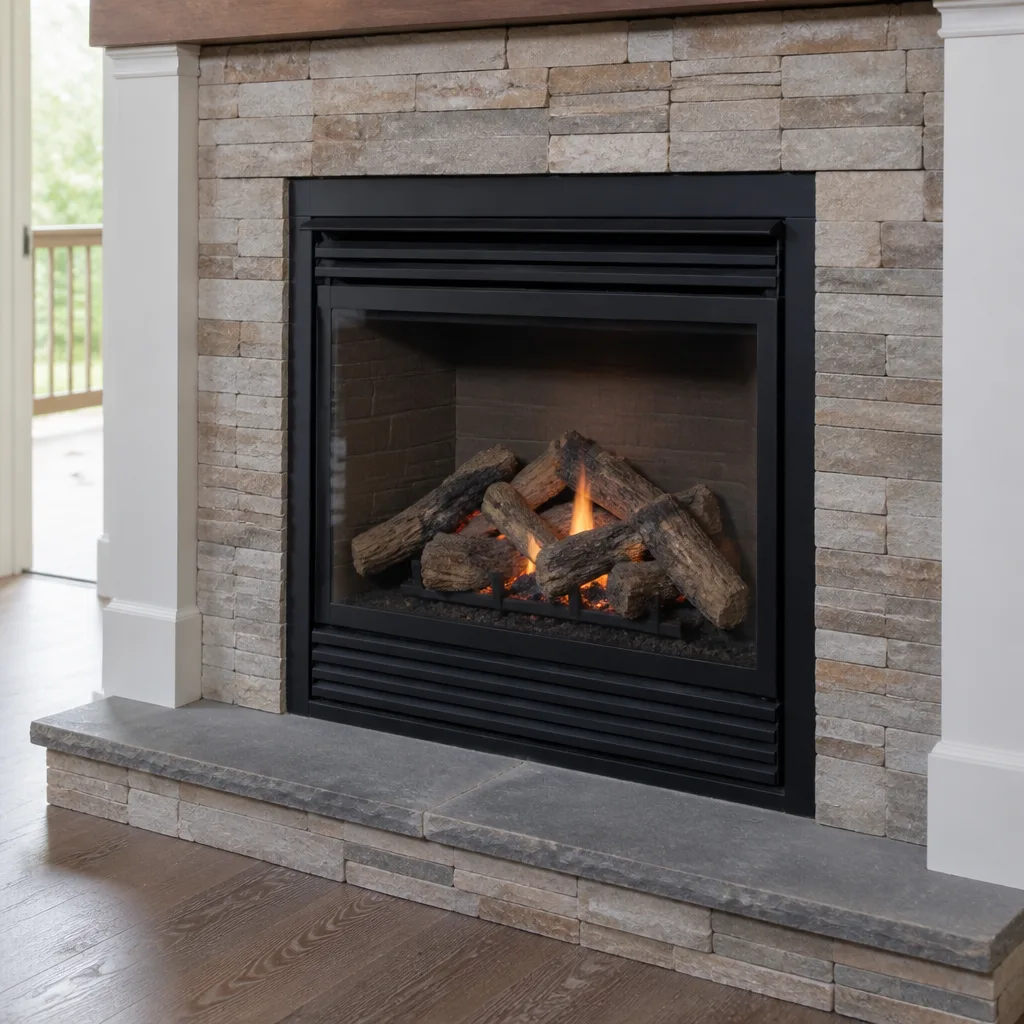 Gas fireplace service
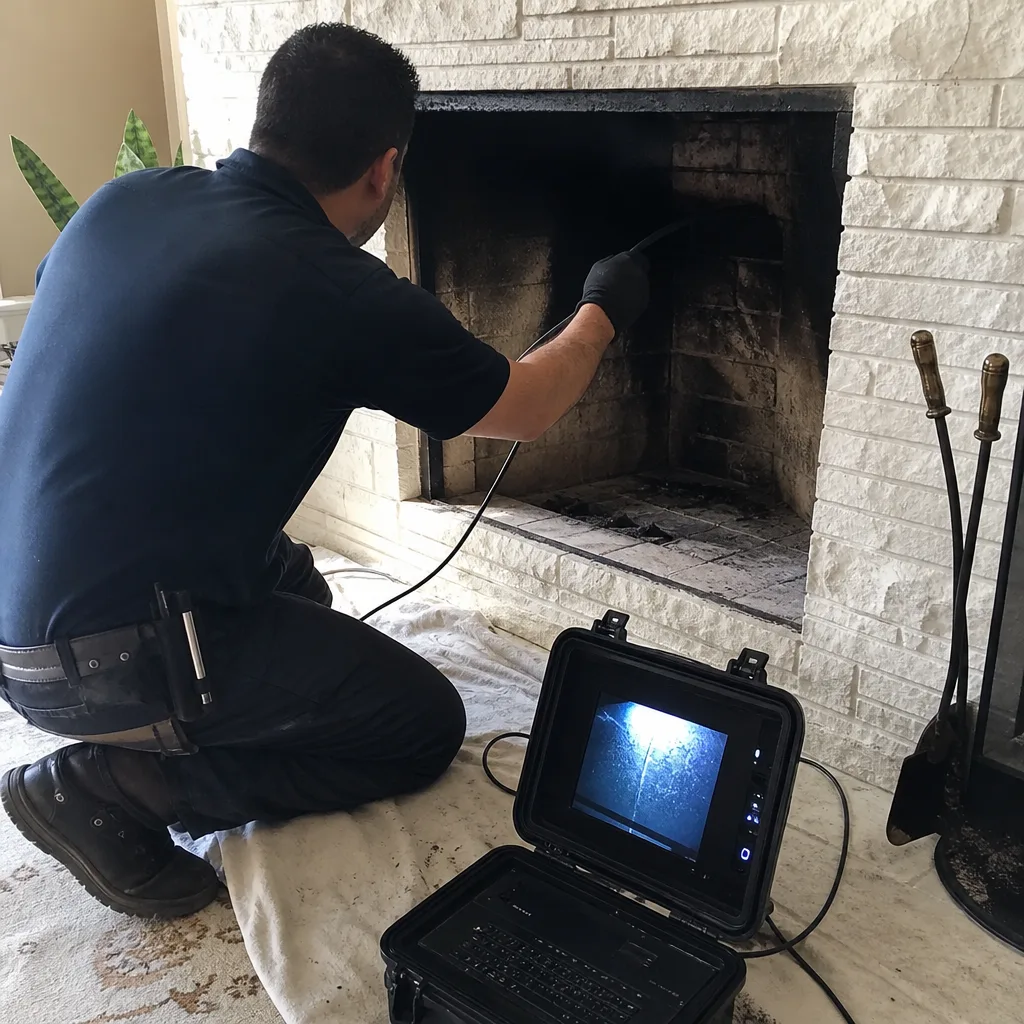
Level 1 sweep and inspection to the NFPA 211 annual standard - flue, crown, cap, and flashing checked and photographed
Chimney sweep logs do not sweep chimneys. They loosen some creosote - which then falls where a brush and vacuum still have to collect it.
Chimney Cleaning Permits, Codes & Inspections in Huntington Beach, CA: What You Need to Know
Most chimney work in Huntington Beach doesn’t need a permit. That’s the part people get right. The part they get wrong is assuming the exemption covers everything. A routine sweep is exempt. Replacing the liner, rebuilding a firebox, or installing a new insert or appliance crosses a line under California code, and the paperwork becomes mandatory. Homeowners usually discover this mid-project, after a contractor has already ordered materials. This guide maps exactly where that line sits, what the City of Huntington Beach Building & Safety Division expects, and how an unpermitted job can come back to bite you at insurance time or at sale.
Quick Answer
Routine chimney sweeping and Level 1 visual inspections in Huntington Beach are permit-exempt under California code. Chimney liner replacement, firebox rebuilding, and new appliance or insert installation generally require a permit from the City of Huntington Beach Building & Safety Division, with work signed off by inspection before it’s considered complete. A Level 2 inspection is code-required rather than optional after a chimney fire event or during a real estate transfer.
Styles & brands we work with
- Sweep & inspection
- Caps & crowns
- Flue relining
- Masonry repair
- Gas fireplace service
Table of Contents
- Which chimney services need a City of Huntington Beach permit?
- How California Mechanical Code and Residential Code apply to chimney work
- What a Level 2 inspection is, and when it’s required rather than recommended
- How unpermitted chimney work affects insurance and property disclosure
- The inspection sign-off process step by step
- How Huntington Beach housing stock shapes code decisions
- Common mistakes to avoid
- When to call a professional
Which Chimney Services Need a City of Huntington Beach Permit?
The cleanest way to think about permits is by whether the work changes the chimney system or simply services it. Cleaning and inspecting don’t change anything. Relining, rebuilding, and installing change the system, and that’s where the city’s building department gets involved.
Permit-exempt in most cases:
- Routine sweeping of the flue and firebox
- Level 1 visual inspection of an accessible chimney
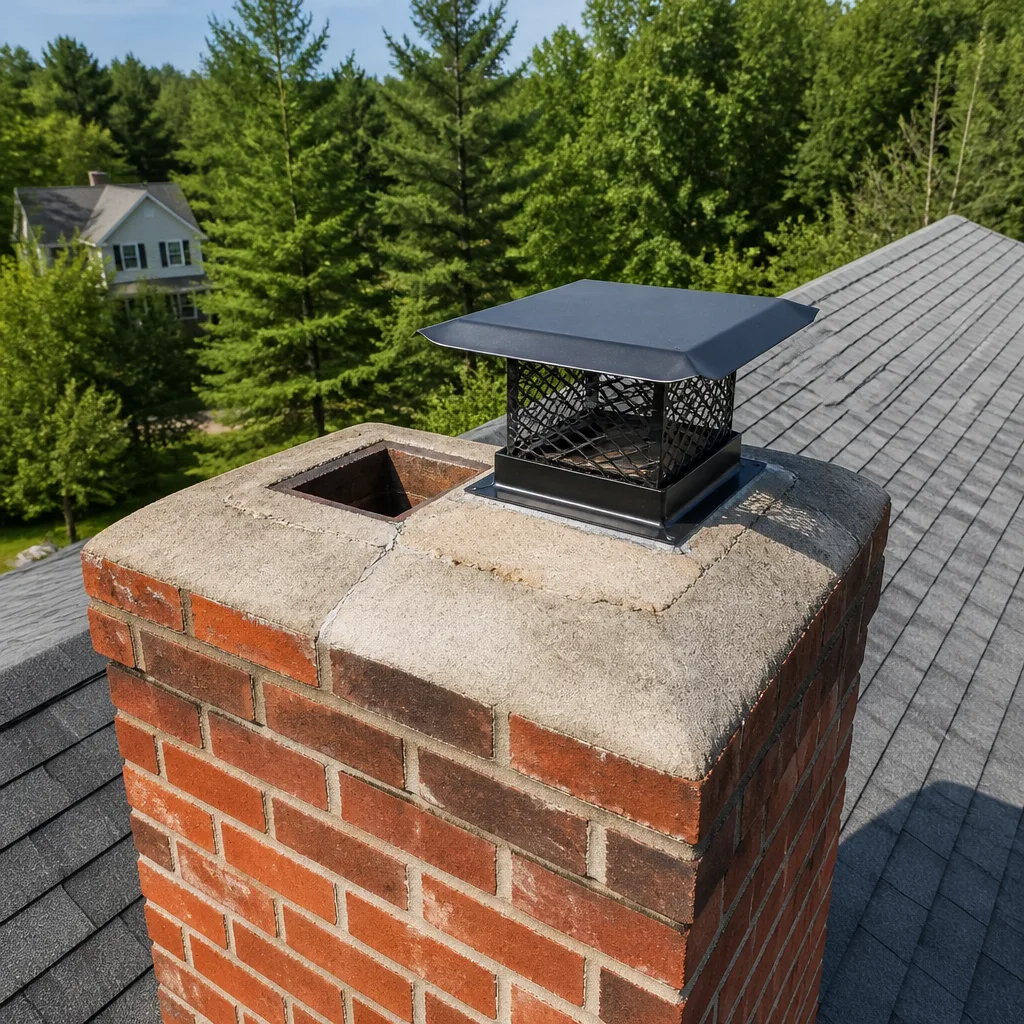
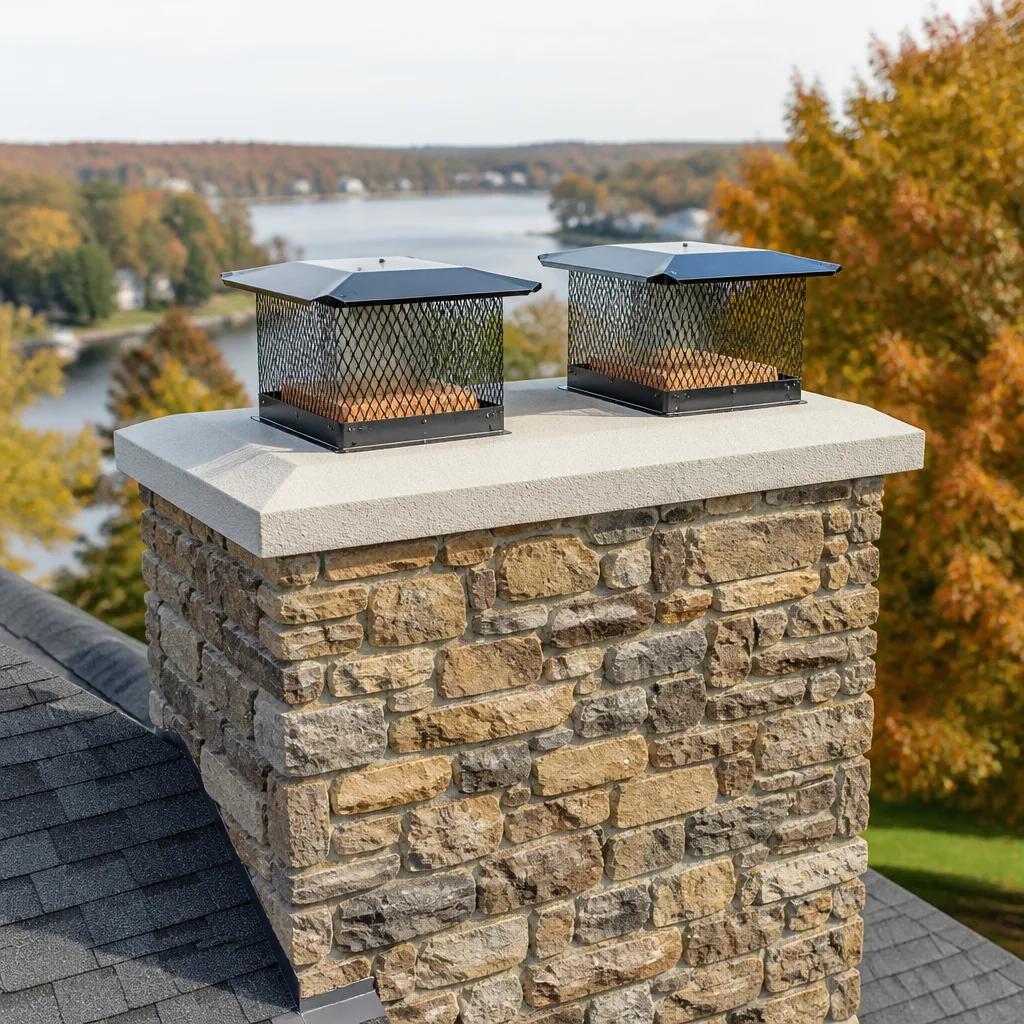
- Minor cap and crown repair or replacement where no structural change occurs
- Routine maintenance of dampers and firebox components that doesn’t alter the flue
Generally requires a permit:
- Installation of a new stainless steel chimney liner
- Relining an existing flue with a cast-in-place or ceramic resurfacing system
- Firebox rebuilding or significant masonry repair
- Installation of a fireplace insert or new solid-fuel appliance
- Any change to the chimney’s structural configuration or height
The distinction matters because a licensed contractor can’t legally pull the exemption for work that isn’t exempt. If you’re being told that a liner install doesn’t need a permit in Huntington Beach, ask for that in writing, because it usually isn’t true. When in doubt, call the City of Huntington Beach Building & Safety Division directly and describe the scope. They’ll tell you what’s required. Our team handles the chimney sweep side of the work, which stays in exempt territory, and the repair side, which frequently doesn’t. Knowing which is which before the job starts keeps everyone honest.
How California Mechanical Code and Residential Code Apply to Chimney Work
Two code sources govern chimney work in California, and they overlap. The California Mechanical Code (CMC) addresses venting, appliance connections, and flue requirements. Chapter 8 of the CMC is where most chimney professionals look first, because it sets out the requirements for vents and chimneys serving appliances. Section 802 is the provision people in the trade cite most often when discussing what qualifies as a venting or relining change that requires plan review.
The California Residential Code (CRC) covers the structural and fire-safety side, including clearances to combustibles, chimney height above rooflines, and masonry requirements. Fireplace inserts fall under both. An insert has to vent correctly (mechanical code) and maintain its clearance to combustibles around the firebox and flue (residential code).
In practical terms, the code application looks like this:
- Venting changes – liner replacement, new appliance connections – trigger mechanical code review.
- Structural changes – masonry rebuilds, crown replacement with framing changes – trigger residential code review.
- Appliance installations – fireplace inserts, wood stoves – usually trigger both.
- Routine service – cleaning, minor cap work – triggers neither.
The most common surprise in Huntington Beach is the insert install. A homeowner buys a gas or wood insert, has it put in by a handyman or a general contractor who doesn’t pull chimney permits, and then finds out years later at a home inspection that the installation was never signed off. That’s a problem the next buyer’s inspector will catch, and it comes out of the seller’s pocket. If you’re considering an insert, ask the installer to show you the permit number before work begins. It’s a simple, fair question and any legitimate chimney contractor will have an answer ready.
What a Level 2 Inspection Is, and When It’s Required Rather Than Recommended
A Level 2 inspection is a more detailed evaluation of the chimney than the basic visual check most homeowners associate with an annual sweep. It includes inspection of accessible portions of the chimney exterior and interior, all accessible flue surfaces, and where possible the attic, crawl space, and other adjacent accessible areas. It typically uses a video camera to look inside the flue itself.
The National Fire Protection Association standard (NFPA 211) establishes three levels of inspection. Level 1 is the standard annual check that typically accompanies a sweep. Level 2 is the more thorough inspection, and Level 3 is the most invasive, often involving opening walls or removing parts of the chimney to access concealed areas.
You need a Level 2 inspection, not just a Level 1, when:
- You’re buying or selling a home and the chimney is part of the transaction
- The chimney has been through a fire event, including a chimney fire
- You’re installing a new appliance or changing the fuel type
- The chimney has sustained damage from an earthquake, storm, or other event
- There’s an ongoing performance issue like smoke rollback or draft problems that a Level 1 inspection didn’t resolve
In real estate transactions, the Level 2 inspection is effectively mandatory in practice. Buyers’ inspectors ask for it, lenders want documentation, and sellers need the report to negotiate repairs. We handle Level 2 inspections in Huntington Beach regularly and pair them directly with repair capability, so the findings in the written report translate straight into a quote rather than a separate phone call to another contractor.
How Unpermitted Chimney Work Affects Insurance and Property Disclosures
Here’s the part homeowners rarely consider until it’s too late. Your homeowner’s policy covers a chimney fire, but if the loss traces back to unpermitted work that wasn’t disclosed, the insurer can reduce or deny the claim. This isn’t hypothetical in California. Insurers have become more careful about verifying permitted improvements because unpermitted work increases their risk exposure.
Property disclosures compound it. California requires sellers to disclose known material defects. If you had a liner installed without a permit and you know it, you’re on the hook to disclose. If you don’t know – because you assumed the contractor handled it – you can still be liable if a reasonable inspection would have found it.
What this means for a Huntington Beach homeowner:
- Keep every permit and inspection record. If work was permitted, the paperwork lives with the house. Store it with your closing documents.
- Pull a permit history before you sell. The city can tell you what was permitted and what wasn’t. Finding an issue before a buyer’s inspector does gives you time to fix it.
- Check the permit before work starts. Ask your contractor for the permit number and the name it was pulled under. Verify it with the city.
- Disclose what you know. California disclosure requirements are specific and designed to protect both sides. Unpermitted work isn’t a reason to hide – it’s a reason to repair and document.
Unpermitted liner installations are the most common case we run into in Huntington Beach. It’s not usually because the installer skipped the process on purpose. It’s because the installer didn’t know that stainless liner replacement crosses into permit territory under California code. The fix is to get the work inspected retroactively where the city allows it, or to correct and re-permit. Our recommendation is always to start with a Level 2 inspection. You’ll know what’s actually there, whether it’s structurally sound, and what documentation exists. If the flue can be brought into code compliance with chimney repair rather than a full teardown, that’s a change worth having a proper conversation about.
The City of Huntington Beach Inspection Sign-Off Process, Step by Step
Permitted chimney work moves through a defined sequence with the City of Huntington Beach Building & Safety Division. The sequence is straightforward, but skipping a step is where projects stall.
- Scope of work defined. The contractor and homeowner agree on the exact scope: what’s being installed, replaced, or repaired. This is the basis for the permit application.
- Permit application submitted. The contractor submits the scope, drawings where required, and product specifications to the Building & Safety Division. Product submittals matter here – the manufacturer’s listing and installation instructions are part of what the plan reviewer checks.
- Plan review. Depending on the scope, the city may perform plan review. Complex installations usually go through this; simple replacements often don’t.
- Permit issued. Work can begin once the permit is pulled. The permit card lives at the job site and gets signed at each inspection stage.
- Rough-in inspection. Where applicable, the installed work is inspected before it’s covered up. For a liner install, this is the point where the inspector confirms it’s seated correctly and clearances are maintained.
- Final inspection. After completion, the inspector verifies the finished installation and signs off. The permit is closed, and you get the signed documentation.
For a standard stainless liner replacement in Huntington Beach, this can be completed in a single inspection in many cases. Fireplace inserts and complex structural work can require multiple inspection stages. The contractor is responsible for scheduling the inspections; the homeowner’s job is to make sure the final sign-off document is in hand at the end. If the contractor never closes out the permit, it stays open on the property record, and that can surface during a future sale.
How Huntington Beach Housing Stock Shapes Code Decisions
Chimney code compliance questions in Huntington Beach often come down to the age and construction of the house. The city has a range of housing stock, and what’s inside the walls changes across neighborhoods and decades of construction. Older homes in the downtown area and the neighborhoods near the beach frequently have masonry fireplaces with original clay tile flues. The clay tile systems of an earlier era were built for a different appliance profile than what many homeowners run today, and they often need relining before a modern insert or appliance can be properly vented.
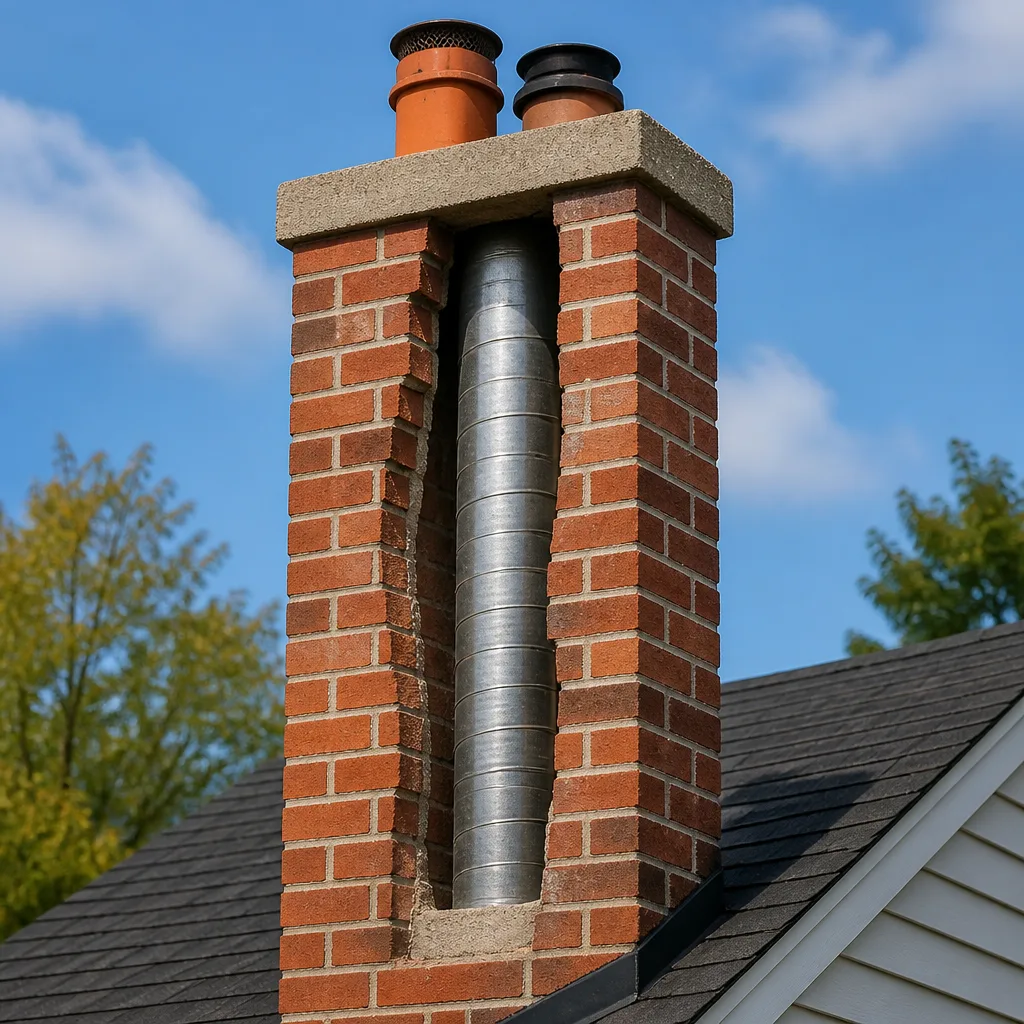
Newer construction across much of the city tends toward prefabricated chimney systems with double-wall or triple-wall metal flues, which have their own inspection and repair requirements. The material story is different in each case. A prefab system’s liner replacement is a component swap; a masonry flue’s relining might involve a resurfacing application before a new liner can be installed.
Huntington Beach’s mild climate helps here. Chimneys here don’t take the beating they do in colder parts of the country, and our team doesn’t see the heavy freeze-related damage that comes with hard winters. What we do see is moisture intrusion from failed caps and crowns, animal entry through open flues, and the slow degradation of masonry from years of Southern California sun and occasional rain events. Cap and crown work using products like Gelco and Famco is the first line of defense for most Huntington Beach chimneys. That’s also usually the cheapest repair on the list, which is why it’s the one worth doing first. We install DuraFlex liners and HeatShield ceramic resurfacing where the flue condition warrants it, and both of those are permitted scopes of work in the city.
See the difference
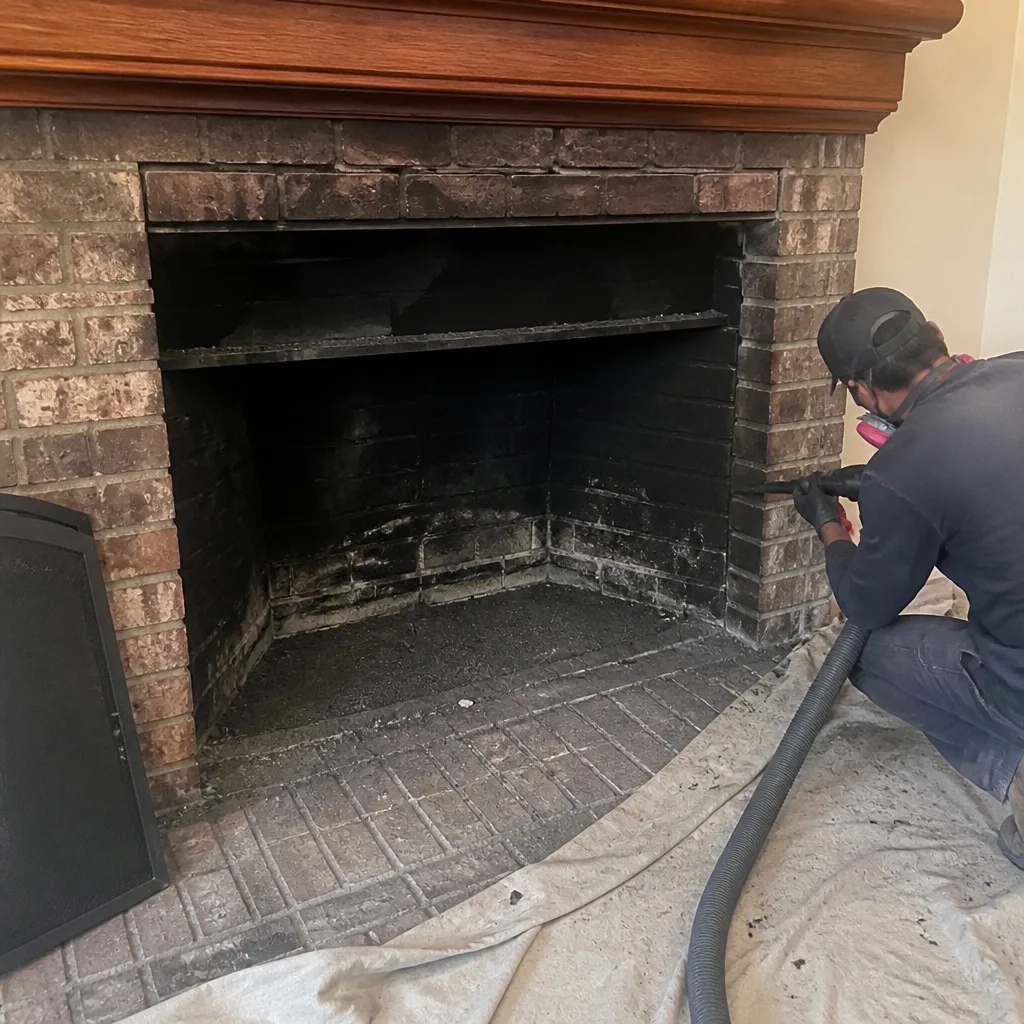 Before
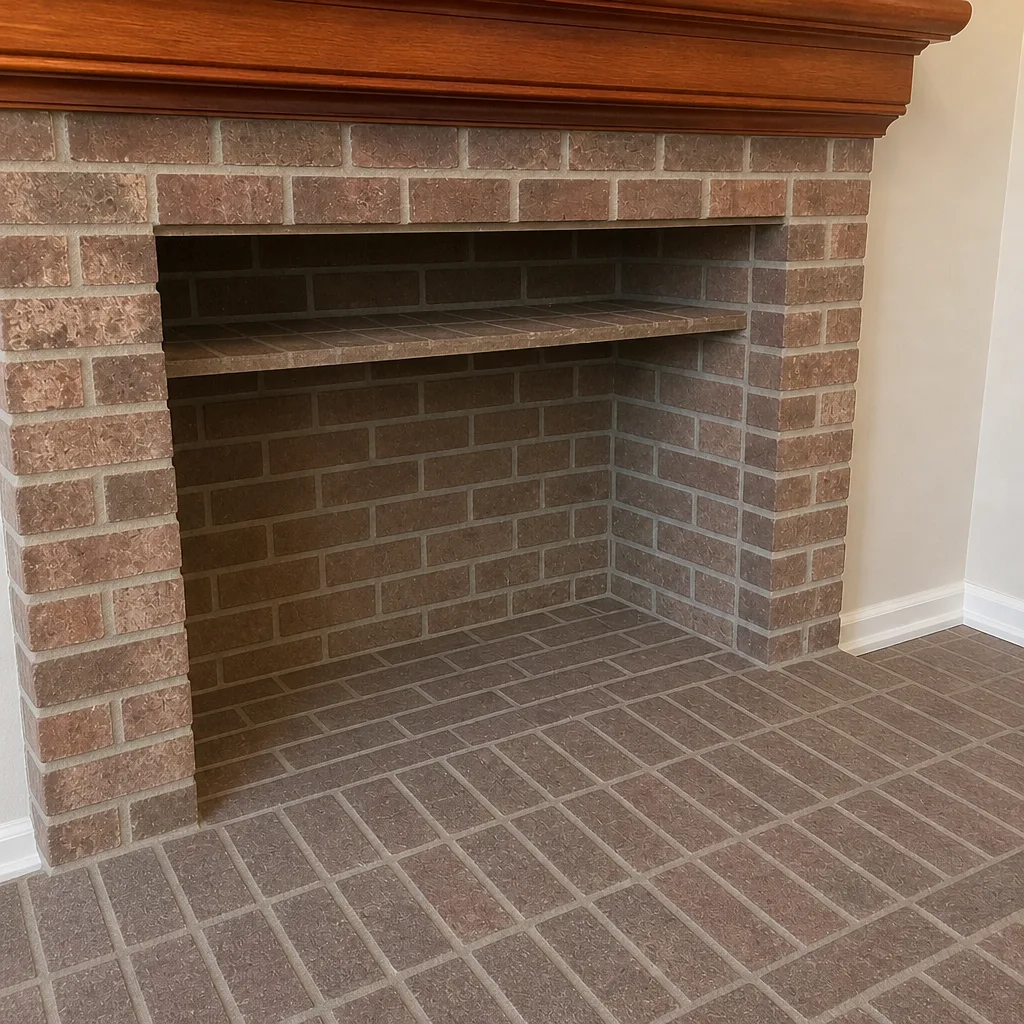 After
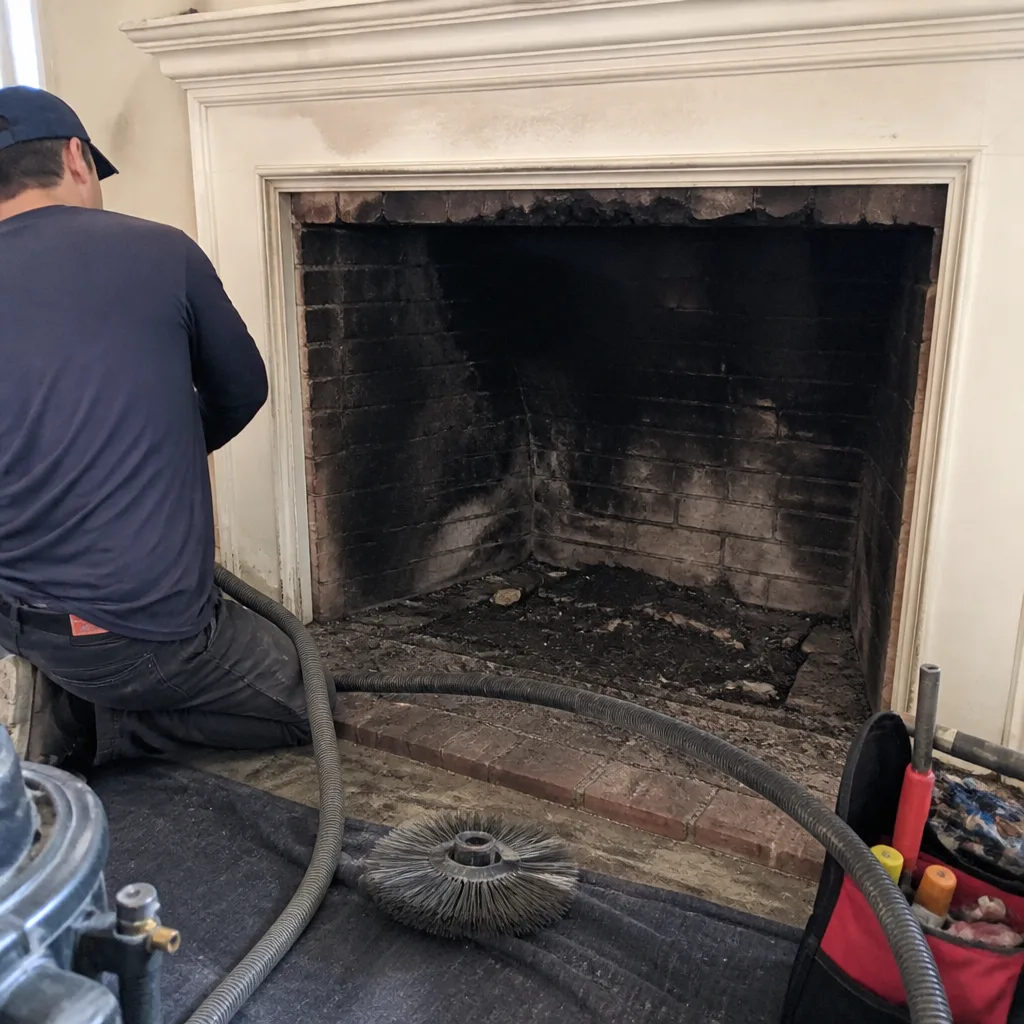 Before
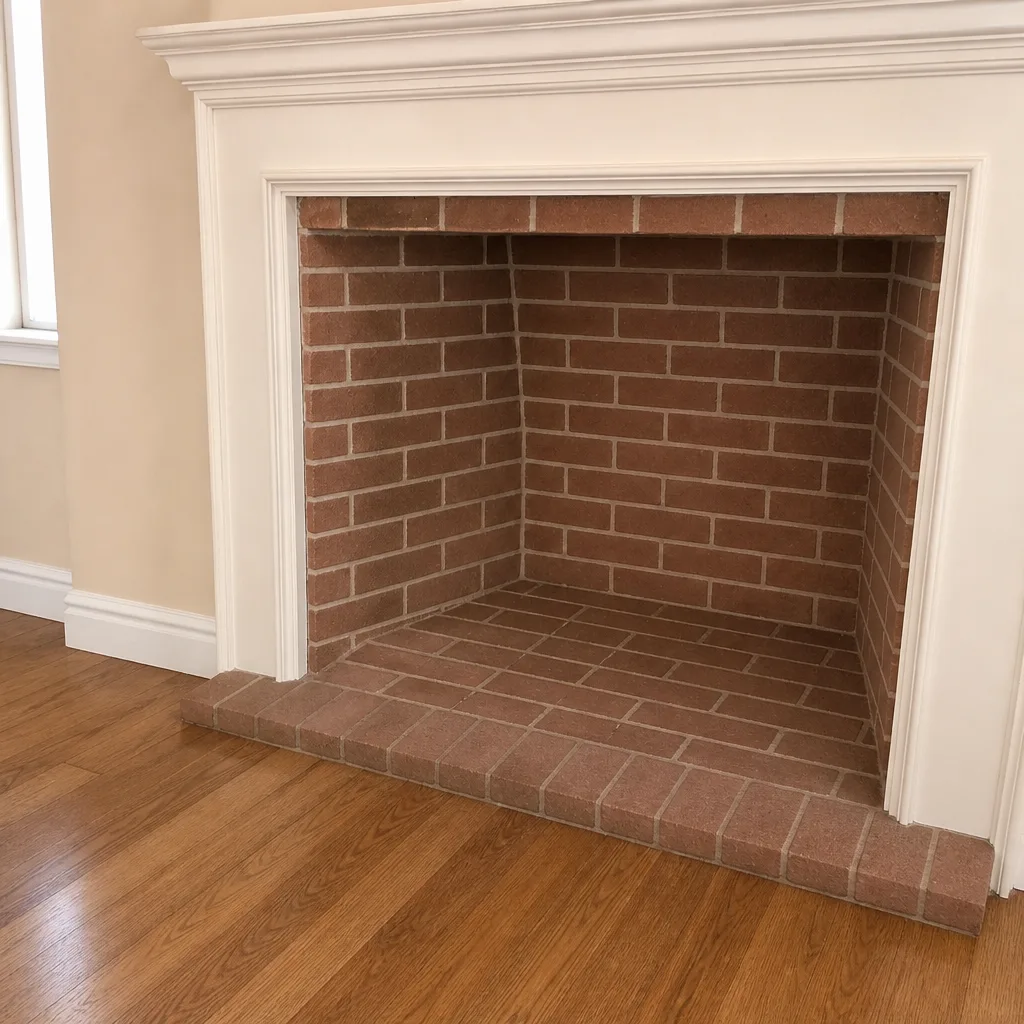 After
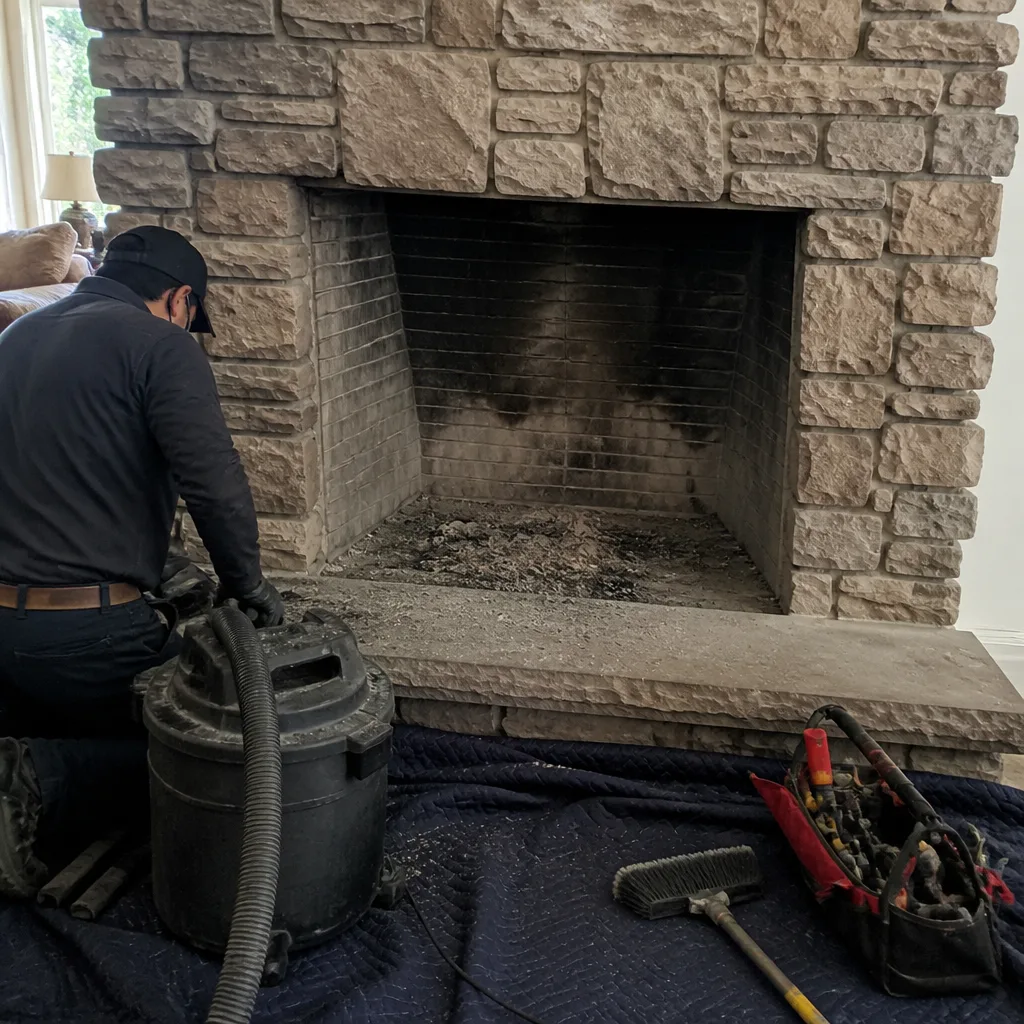 Before
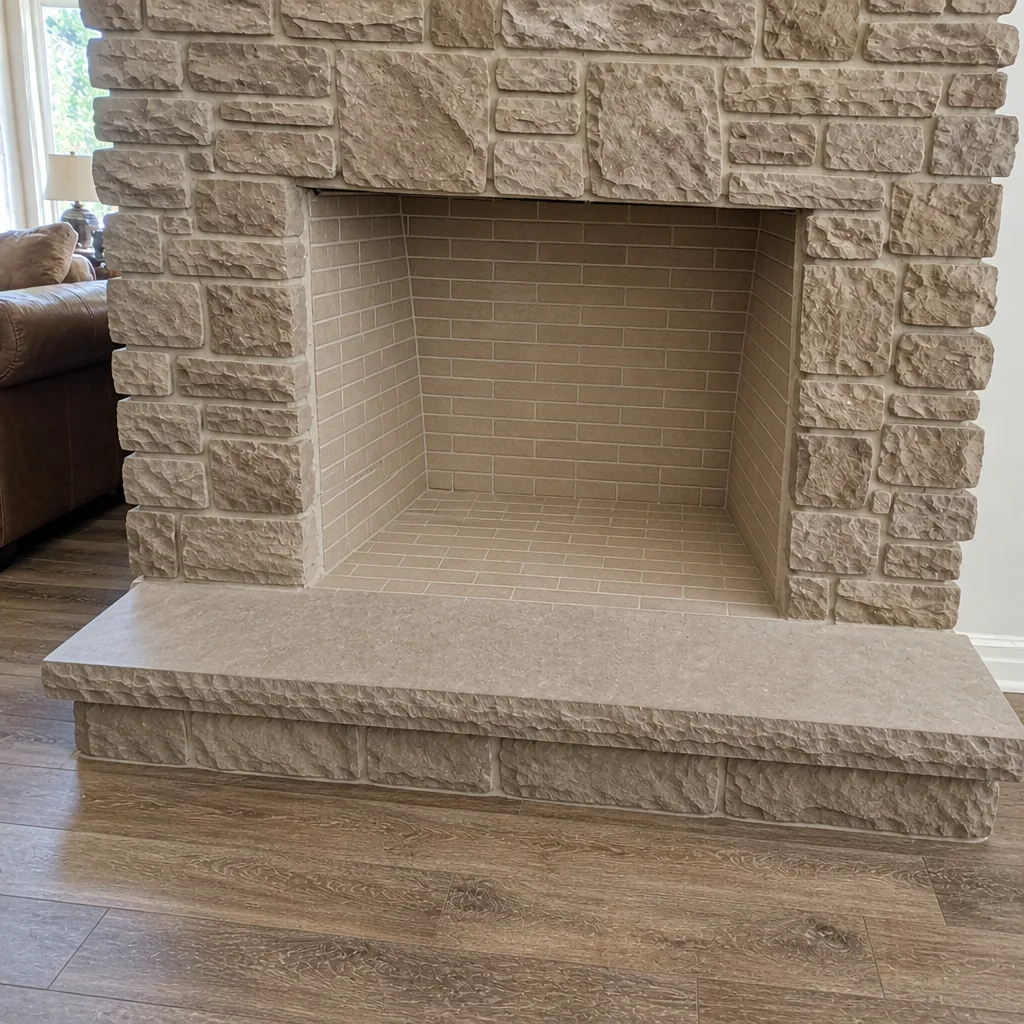 After
Common Mistakes to Avoid
- Assuming every chimney job is permit-exempt. Sweeping is; relining usually isn’t. Ask before the work starts, not after money changes hands.
- Trusting a handyman to handle permit-required chimney work. Chimney relining and insert installations are specialized. If the contractor doesn’t pull chimney permits regularly, the odds are high that the paperwork gets skipped.
- Skipping the Level 2 inspection after a chimney fire. A Level 1 inspection can miss damage inside the flue. A fire event means you need the camera inside the flue, not just a visual check from the firebox.
- Not keeping permit and inspection records. When it’s time to sell, documentation is your protection. A signed-off permit in a folder is worth a great deal more than a verbal assurance.
- Assuming the cap and crown are just cosmetic. A failed crown lets water into the chimney structure, and water damage is the most common expensive repair we see in Huntington Beach. It’s the cheap fix that prevents the thousand-dollar one.
- Waiting until the home inspector flags it to investigate permits. Pull the permit history when you buy, not when you sell. A Huntington Beach homeowner buying a home with an older chimney should ask for the permit history as part of the purchase inspection.
- Treating the written inspection report as non-actionable. A report is only useful if it results in a scope of work, a quote, and a plan. We pair the inspection with repair capability specifically so the report leads to a next step rather than a round of phone calls.
When to Call a Professional
Call a professional when the question isn’t “should I get a sweep” but “is this chimney safe, and what does the code require here.” If you’ve just bought a home in Huntington Beach and you don’t have a permit history for the chimney, call for a Level 2 inspection. If the prior owner left a written inspection report or a maintenance recommendation from a previous sweep, call to have it evaluated by someone who can also do the repair work. If you’ve had a chimney fire, notice smoke rollback, or are planning to install a fireplace insert, call before the installation is scheduled. Those are the scenarios where code compliance questions intersect with safety and where getting the wrong answer is expensive. Chimney Sweep Huntington Beach offers free estimates in Huntington Beach – call (855) 658-5323. We answer 24/7. Fast dispatch from 7am to 7pm, Sunday through Friday.
Frequently Asked Questions
No. Routine chimney cleaning and a Level 1 visual inspection are permit-exempt in Huntington Beach. If the sweep finds a problem that requires a repair – liner replacement, firebox rebuild, insert install – that repair will likely require a permit from the City of Huntington Beach Building & Safety Division. Call (855) 658-5323 for an exact quote – estimates are free.
Yes, in the vast majority of cases. A stainless steel liner installation or relining is a change to the chimney system’s venting and falls under permit requirements from the City of Huntington Beach Building & Safety Division. The work also needs to be inspected and signed off before it’s considered complete. If your contractor says a liner install is exempt, ask for that in writing and verify it with the city.
A Level 1 inspection is a visual check of the accessible portions of the chimney during a routine sweep. A Level 2 inspection is more thorough – it includes the use of a video camera inside the flue and inspection of accessible portions of the chimney interior and exterior, plus adjacent areas where accessible. Level 2 is code-required after a chimney fire, during a real estate transaction, or when installing a new appliance. Call (855) 658-5323 for an exact quote – estimates are free.
Unpermitted chimney work can reduce or void a homeowner’s insurance claim if the loss traces back to the work, and it must be disclosed during a California property sale. It also stays on the property record as an open or missing permit, which a buyer’s inspector will typically catch. The fix is a Level 2 inspection to document current conditions, followed by either retroactive permitting where the city allows it or corrective work. Call (855) 658-5323 for an exact quote – estimates are free.
Check the permit history with the City of Huntington Beach Building & Safety Division. The permit would have been pulled under the contractor’s name for the scope of installing the insert. If no permit exists, the installation was likely unpermitted. A Level 2 inspection will tell you whether the installation is safe and what would be needed to bring it into compliance. Working with a company that handles the fireplace repair side of the work means the inspection findings lead directly to a repair path. Call (855) 658-5323 for an exact quote – estimates are free.
The contractor schedules the inspections with the City of Huntington Beach Building & Safety Division and the city inspector performs them. The homeowner’s responsibility is to make sure the final signed-off permit document is in your records at the end. If the contractor doesn’t close out the permit, it remains open on the property record and can cause problems later. Call (855) 658-5323 for an exact quote – estimates are free.
The Bottom Line
Permits are about scope, not about trust. A routine sweep and a Level 1 inspection in Huntington Beach are exempt. The moment work crosses into relining, firebox rebuilding, or appliance installation, the City of Huntington Beach Building & Safety Division gets involved, and the work isn’t complete until it’s inspected and signed off. The Level 2 inspection is your best tool in every scenario – before buying, after a fire, before an insert install, and any time you’re unsure what’s inside your flue. Keep the paperwork. Verify permits before work begins. And when a sweep finds a problem, work with a company that can both document it accurately and carry out the repair. That’s the whole system, from the firebox to the chimney cap & crown, handled without the handoff.
Chimney Sweep Huntington Beach handles the full chimney system for Huntington Beach homeowners. Our technicians have up to 11 years of experience, we work with professional-grade materials from brands like DuraFlex, HeatShield, Famco, and Copperfield, and we handle the work from inspection through repair. Call (855) 658-5323 for a free estimate. We answer 24/7. Fast dispatch from 7am to 7pm, Sunday through Friday. Estimates are free, and the written estimate sets the final price.
Written by the team at Chimney Sweep Huntington Beach.